
Spring Indoor Air Quality Checklist for a Healthier Home
A healthier spring home starts with controlling dust, pollen, moisture, cooking pollutants, and stale indoor air. Clean regularly, maintain range hood and bathroom fan filters and grilles, manage humidity, replace HVAC filters, and ventilate during cleaning and cooking to help improve indoor air quality.
Your Spring Indoor Air Quality Checklist
Spring brings longer daylight hours, blooming flowers, open windows, and a fresh chance to reset your home. It also brings pollen, dust, moisture, and more cleaning activity indoors.
Spring cleaning is not just about decluttering. It is a practical opportunity to improve indoor air quality by removing pollutants at the source, refreshing ventilation equipment, and reducing moisture before it leads to bigger problems.
| Spring IAQ Task | Why It Helps |
|---|---|
| Vacuum and dust regularly | Helps reduce dust, pollen, pet dander, and other particles that settle on surfaces. |
| Clean range hood filters | Helps your kitchen ventilation capture grease, smoke, moisture, and cooking particles more effectively. |
| Clean bathroom fan covers | Helps bathroom ventilation remove moisture and odors without dust buildup blocking airflow. |
| Check moisture-prone rooms | Helps prevent damp conditions that can support mold and mildew growth. |
| Replace HVAC filters | Helps your heating and cooling system capture airborne particles as air circulates through the home. |
| Ventilate while cleaning | Helps dilute and remove odors and chemicals released by some cleaning products. |
Clean Surfaces Without Polluting the Air
Regular cleaning can reduce dust, pollen, mold spores, and pet dander that collect on floors, furniture, counters, fabrics, and vents. Vacuum carpets and rugs, wipe hard surfaces, wash bedding, and pay attention to often-overlooked areas such as bathroom fan covers, range hood filters, and HVAC returns.
Cleaning products can also affect indoor air quality. Strong fragrances, harsh chemicals, aerosols, and degreasers may release odors or airborne compounds that linger indoors. When possible, choose lower-odor cleaning products, follow label instructions, and ventilate the room while you clean.
Open windows when outdoor air quality is good, and use kitchen or bathroom exhaust fans to help remove cleaning odors and excess moisture. For more guidance, read How Cleaning Products Affect Indoor Air Quality.
Clean and Use Your Range Hood
The kitchen is one of the most important places to focus during a spring indoor air quality refresh. Cooking can release smoke, grease, moisture, odors, fine particles, and gases into the air. A properly used range hood helps capture and remove these pollutants before they spread through the home.
Run your range hood before cooking, keep it on during cooking, and let it run for several minutes afterward. This is especially helpful when frying, searing, boiling, or using a gas cooktop.
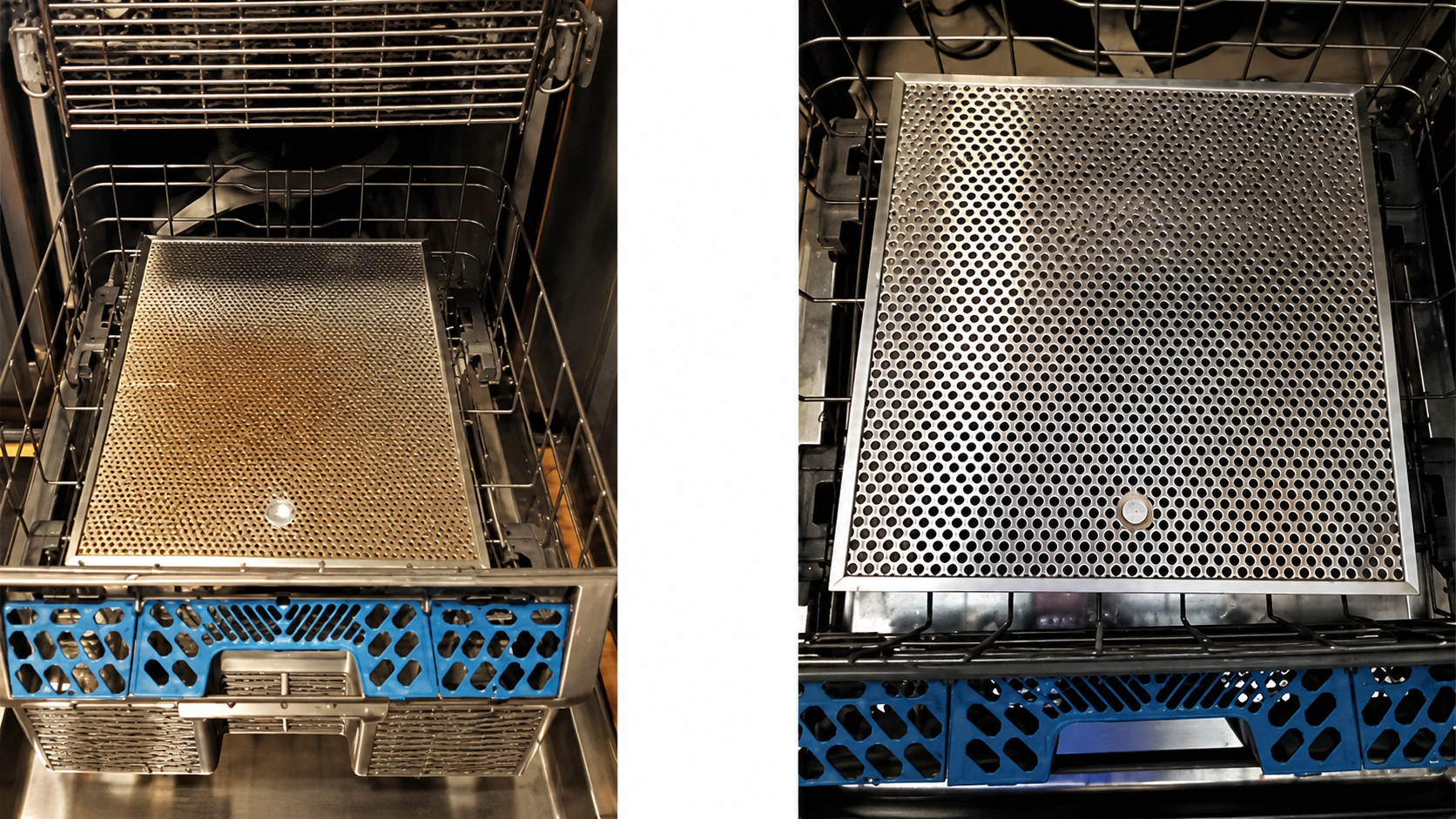
Spring is also a good time to wash or replace your range hood filter. A grease-loaded filter can reduce ventilation performance and allow more particles and odors to remain in the kitchen. For more detail, read Range Hoods and IAQ: Why Ventilation Is Essential for a Healthier Kitchen.
How to Clean a Range Hood Filter
- Sink: Soak washable filters in hot, soapy water and scrub them as you would a pot or pan. For stubborn grease, use a degreaser only as directed and ventilate the kitchen while cleaning.
- Dishwasher: Many metal grease filters are dishwasher safe. Place filters in an empty dishwasher, add detergent, and run a heavy-duty cycle for best results.
Regular cleaning will eventually wear out grease filters. If you clean your filters monthly, consider replacing them about every three years, or sooner if they become damaged, warped, or difficult to clean.
Note: Some range hood filters are not designed to be washed. If your filter is disposable, replace it instead of cleaning it. You can use the subscribe and save program to receive replacement filters regularly.
.jpg)
Refresh Bathroom Fans Before Humidity Builds Up
Bathrooms are another major moisture source in the home. Too much indoor humidity can make a room feel stuffy, encourage mildew, damage finishes, and create conditions where mold can grow.
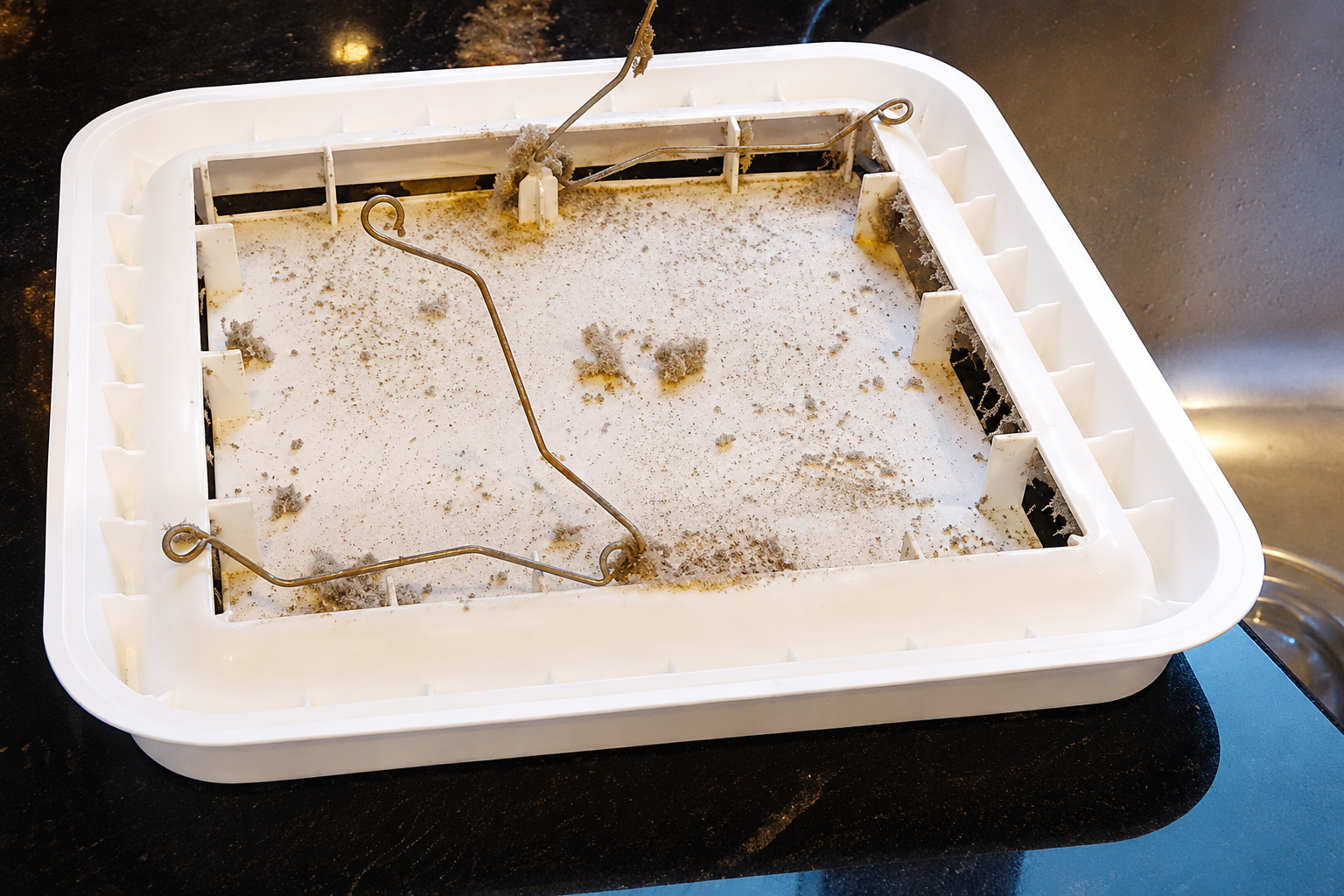
A clean, properly working bathroom fan helps remove humid air after showers and baths. Dust buildup on the grille or inside the fan housing can reduce airflow, so spring is a smart time to clean the cover and check that the fan is moving air effectively.
Run the fan during showers and for several minutes afterward. If the mirror stays fogged for a long time, the room smells musty, or moisture appears on walls and ceilings, the fan may need cleaning, repair, or replacement. For help choosing a fan, read the Bathroom Exhaust Fan Buying Guide: How to Choose the Right Fan.
How to Clean a Bathroom Fan
- Turn off power: Before cleaning, turn off the fan and follow safe maintenance instructions for your specific model.
- Vacuum: With the grille removed, use a vacuum wand to remove accumulated dust from the inside of the housing.
- Sink: Most bathroom fan covers can be removed by detaching them from the springs in the ceiling fan. Wash the cover in warm, soapy water, wipe the fan area carefully, and reattach the cover once dry.
.png)
Check Whole-House Humidity
Bathrooms are not the only moisture-prone areas in a home. Laundry rooms, mudrooms, basements, kitchens, and home gyms can also collect humidity, especially during seasonal changes.
Look for musty odors, condensation on windows, damp walls, mildew spots, or rooms that feel clammy. These are signs that moisture may not be leaving the home effectively.
Ventilation fans can help in specific rooms, while a balanced fresh air system can support the entire home. An Energy Recovery Ventilator (ERV) fresh air system helps bring in fresh, filtered outdoor air while exhausting stale indoor air. Depending on climate and conditions, an ERV can also help manage humidity transfer between incoming and outgoing air streams.
For more on moisture control, read Moisture Control Strategies for a Healthier Home.
Replace HVAC Filters and Vacuum Carefully
Spring is a natural time to check your HVAC system. The furnace or air handler filter helps capture dust and particles as air moves through your heating and cooling system. A dirty filter can reduce system performance and allow more particles to circulate indoors.
Replace your HVAC filter according to the filter manufacturer’s instructions and your home’s needs. Homes with pets, allergies, nearby construction, wildfire smoke exposure, or heavy dust may need more frequent filter changes.
HEPA filters are designed to capture at least 99.97% of particles that are 0.3 microns in size, but not every HVAC system is designed for a HEPA filter. Always confirm what your system can handle before upgrading to a higher-efficiency filter.
Vacuuming also matters. Some vacuums can recirculate fine dust back into the air, especially if filters are dirty or dust bins are overfilled. Empty dust bins, clean or replace vacuum filters, check for blockages, and use a vacuum with effective filtration when possible. For more detail, read How Vacuuming Can Worsen Indoor Air Quality.
Frequently Asked Questions
What is the best way to improve indoor air quality in spring?
The best spring indoor air quality strategy is to reduce pollutants at the source and ventilate well. Clean dust and pollen, wash or replace filters, use range hoods while cooking, run bathroom fans during showers, and control moisture in damp rooms.
Should I open windows during spring cleaning?
Open windows when outdoor air quality and pollen levels are acceptable. If pollen, smoke, humidity, or outdoor pollution is high, use exhaust fans and mechanical ventilation instead of relying only on open windows.
How often should I clean my range hood filter?
For many homes, monthly cleaning is a good routine for washable grease filters. Frequent frying or high-heat cooking may require more frequent cleaning. Disposable filters should be replaced rather than washed.
How do bathroom fans help indoor air quality?
Bathroom fans remove humid air, odors, and airborne contaminants from the bathroom. This helps reduce condensation, mildew risk, and moisture damage when the fan is properly sized, clean, and vented outdoors.
What humidity level is best for indoor air quality?
Many homes feel healthier and more comfortable when indoor humidity stays in a moderate range. If your home feels damp, smells musty, or shows condensation, check moisture sources and improve ventilation.
Can cleaning products make indoor air quality worse?
Yes. Some cleaning products release strong odors, aerosols, or chemical compounds that can linger indoors. Use products as directed, avoid unnecessary harsh chemicals, and ventilate during and after cleaning.
Does replacing an HVAC filter improve indoor air quality?
Replacing a dirty HVAC filter can help reduce dust and particles circulating through the home. Use the filter type recommended for your system and replace it on schedule, especially during allergy season or after heavy dust exposure.