
Moisture Control Strategies for a Healthier Home
Keeping indoor relative humidity below 60%, and ideally between 30% and 50%, helps reduce the risk of mold growth, dust mites, excess odors, and moisture damage while supporting a healthier and more comfortable indoor environment. Monitoring humidity and using proper ventilation, dehumidification, and exhaust fans are simple ways to keep moisture under control year-round.
Moisture is a natural part of everyday life. Showering, cooking, doing laundry, and even breathing all add water vapor to the air inside your home. When that moisture isn't properly managed, it can create conditions that encourage mold growth, dust mites, unpleasant odors, and damage to building materials.
Fortunately, controlling indoor humidity doesn't have to be complicated. A few simple habits and the right ventilation solutions can help maintain healthier indoor air and protect your home.
According to the U.S. Environmental Protection Agency, controlling moisture is one of the most important ways to help prevent mold growth. The EPA recommends keeping indoor relative humidity below 60%, and ideally between 30% and 50%.
Why Controlling Moisture Is Important
Excess humidity creates an environment where biological contaminants can thrive. Mold can begin growing on damp surfaces within 24 to 48 hours, while dust mites reproduce more readily in humid conditions. High humidity may also contribute to peeling paint, warped wood, condensation on windows, and musty odors.
On the other hand, air that is too dry can also be uncomfortable. Very low humidity may dry out your skin, eyes, and respiratory passages and can make rooms feel less comfortable. Maintaining balanced humidity is the goal—not simply removing as much moisture as possible.
Moisture control begins by eliminating water where it starts. Repairing plumbing leaks, roof leaks, foundation seepage, condensation problems, or drainage issues is usually more effective than simply running a dehumidifier after moisture problems appear.
What Is the Ideal Indoor Humidity?
Relative humidity (RH) measures how much moisture is in the air compared to the maximum amount the air can hold at a given temperature.
| Relative Humidity | What It Means |
|---|---|
| Below 30% | Air may become too dry, leading to discomfort and dry indoor conditions. |
| 30%–50% | Ideal range for most homes to support comfort, indoor air quality, and moisture control. |
| 50%–60% | Monitor closely, especially in bathrooms, basements, and areas prone to condensation. |
| Above 60% | Higher risk of mold growth, dust mites, musty odors, and excess moisture problems. |
A digital hygrometer makes it easy to monitor indoor relative humidity throughout the year. Seasonal changes may require adjustments as outdoor temperatures and indoor heating or cooling conditions change.
Simple Strategies to Control Indoor Moisture
Monitor Humidity Regularly
Keeping an eye on your home's humidity level is the first step toward preventing moisture-related problems. A small digital monitor can display both temperature and relative humidity, making it easy to know when action is needed.
Use Bathroom Exhaust Fans
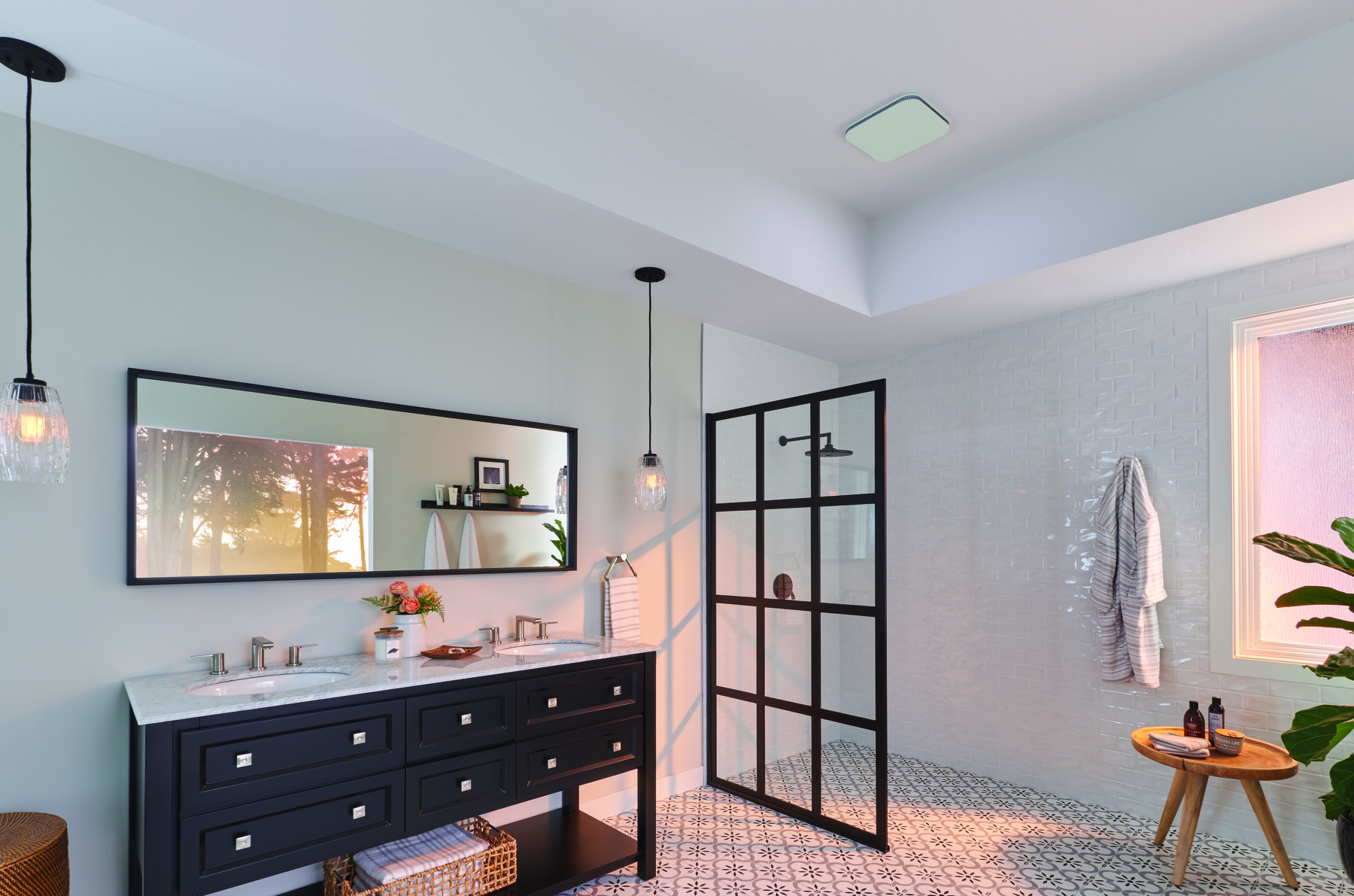
Bathrooms are one of the largest sources of indoor moisture. Running an exhaust fan during showers and for about 20 minutes afterward helps remove humid air before it spreads throughout the home.
Ventilate Your Kitchen
Cooking releases steam, grease, odors, and other airborne pollutants. A properly vented range hood helps remove excess moisture while improving indoor air quality.
Consider Whole-Home Ventilation
Spot ventilation in bathrooms and kitchens is important, but many homes also benefit from whole-home ventilation. Balanced systems such as HRVs and ERVs can help exchange stale indoor air with outdoor air through a controlled pathway while supporting better overall indoor air quality.
Consider a Dehumidifier
In naturally damp spaces such as basements and crawl spaces, or during humid summer weather, a dehumidifier can help maintain comfortable humidity levels and reduce condensation. Whole-home dehumidifiers may be useful in humid climates or homes where moisture levels stay high even after leaks, drainage, and ventilation issues have been addressed.
Address Moisture Problems Promptly
Repair plumbing leaks, roof leaks, foundation seepage, drainage issues, and water intrusion as soon as they are discovered. Eliminating the source of moisture is more effective than treating the symptoms after mold or damage develops.
Common Moisture Sources and Solutions
| Moisture Source | Common Location | Helpful Solution |
|---|---|---|
| Showers and baths | Bathrooms | Run a bathroom exhaust fan during and after use. |
| Cooking steam | Kitchens | Use a properly vented range hood while cooking. |
| Laundry moisture | Laundry rooms | Vent dryers outdoors and use exhaust ventilation when needed. |
| Damp foundation or seepage | Basements and crawl spaces | Address drainage issues and use a dehumidifier if humidity remains high. |
| Plumbing or roof leaks | Walls, ceilings, attics, bathrooms | Repair leaks promptly and dry affected materials quickly. |
| Condensation | Windows, ducts, cold surfaces | Monitor humidity, improve ventilation, and reduce moisture sources. |
Signs Your Home May Have Too Much Moisture
- Condensation on windows, ducts, or cold surfaces
- Musty or damp odors
- Visible mold or mildew
- Peeling paint or bubbling wallpaper
- Persistent window condensation
- Damp insulation or stained building materials
- Persistent dampness in bathrooms, basements, crawl spaces, or laundry rooms
- Recurring allergy-like symptoms that worsen indoors
If you notice several of these signs, it's worth checking your home's humidity level and evaluating whether additional ventilation, dehumidification, leak repair, or drainage improvements are needed.
Watch: Tips for Managing Indoor Moisture
In this short video, America's Healthy Home Expert, Caroline Blazovsky, explains why monitoring relative humidity is important and shares simple ways to maintain healthier moisture levels throughout your home.
Frequently Asked Questions
What is the best indoor humidity level?
For most homes, keeping indoor relative humidity between 30% and 50% provides a good balance between comfort and moisture control. The EPA recommends keeping indoor humidity below 60%, and ideally between 30% and 50%.
How do I measure humidity in my home?
A digital hygrometer measures relative humidity and temperature. These inexpensive devices provide a quick way to monitor indoor conditions.
Can high humidity cause mold?
Yes. Consistently high humidity can create conditions that allow mold to grow on damp surfaces, particularly where moisture is trapped. Controlling moisture and repairing leaks are key steps for reducing mold risk.
Does high humidity affect indoor air quality?
Yes. High humidity can contribute to mold growth, dust mites, musty odors, condensation, and moisture damage. Keeping humidity under control helps support better indoor air quality and comfort.
Should I run my bathroom fan after showering?
Yes. Running the fan during your shower and for approximately 20 minutes afterward helps remove excess moisture before it spreads throughout your home.
Do kitchens contribute to indoor humidity?
Yes. Boiling water, simmering, and other cooking activities release significant amounts of moisture into the air. Using a vented range hood helps exhaust that moisture outdoors.
When should I use a dehumidifier?
A dehumidifier is especially useful in damp basements, crawl spaces, humid climates, or during periods of high outdoor humidity when indoor moisture levels remain above the recommended range.
Can a dehumidifier replace ventilation?
No. A dehumidifier removes moisture from the air, but it does not remove stale air, odors, VOCs, or other indoor pollutants the same way ventilation can. For best results, use dehumidification alongside source control, exhaust fans, and proper ventilation.