
Bathroom Exhaust Fan Buying Guide: How to Choose the Right Fan
The best bathroom exhaust fan depends on your bathroom size, the existing ceiling opening, whether you have attic access, your preferred noise level, and the features you want. Choosing the correct CFM rating, installation type, and fan style helps control moisture, reduce odors, prevent mold growth, and improve comfort.
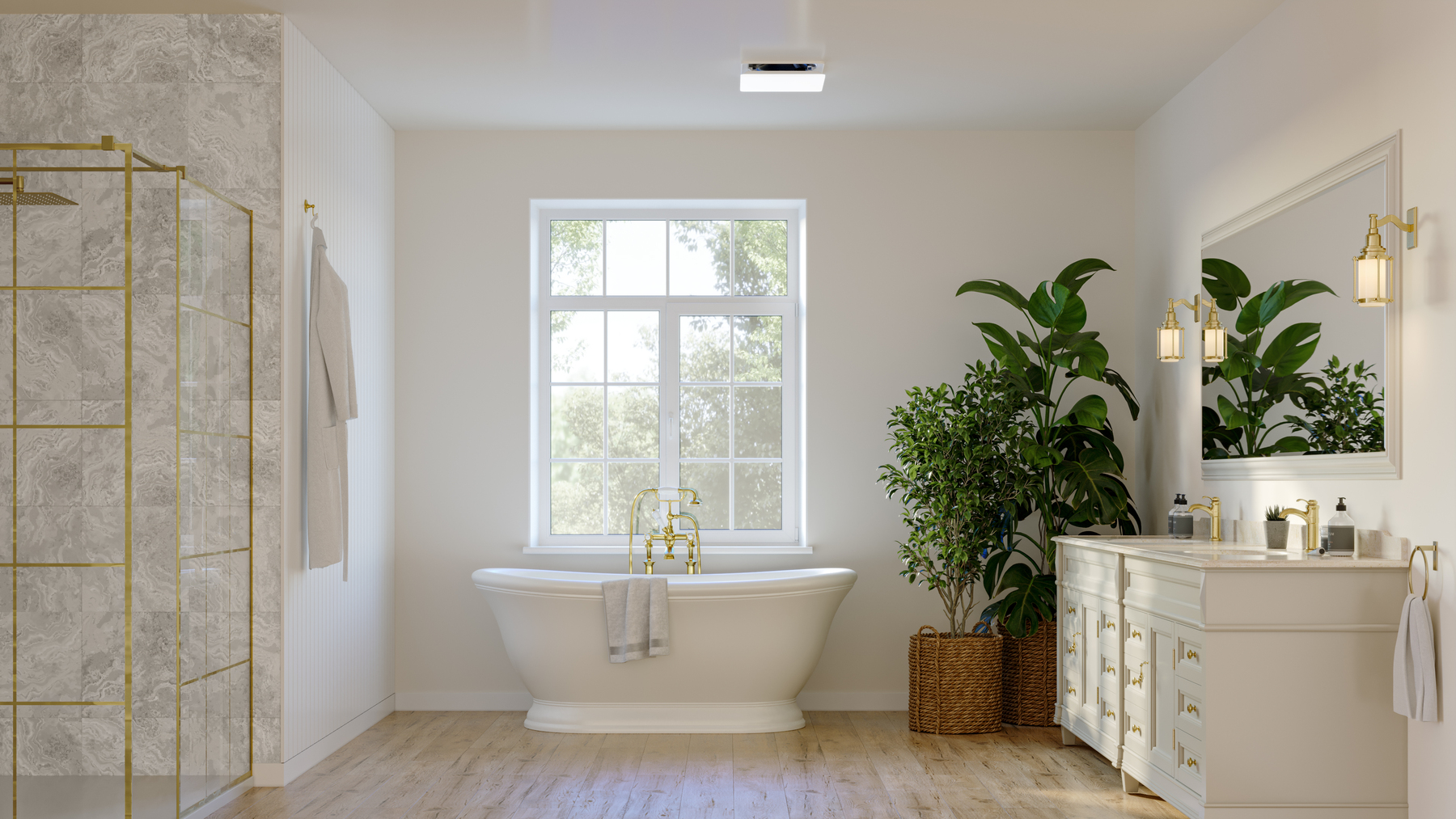
Bathroom exhaust fans are one of the most important yet overlooked components of a home's ventilation system. A properly sized fan removes excess humidity, helps prevent mold and mildew, reduces odors, and improves indoor air quality. If you're replacing an existing bathroom fan or installing a new one, use this guide to determine which model best fits your space.
What Is a Bathroom Exhaust Fan?
A bathroom exhaust fan is a ventilation device installed in the ceiling or wall that removes humid air, odors, and airborne contaminants from the bathroom. By exhausting moisture outdoors, bathroom fans help reduce condensation, mold growth, mildew, and indoor air quality issues.
Proper bathroom ventilation is important for protecting paint, drywall, cabinetry, and other finishes from moisture damage. It also helps maintain a more comfortable and healthier indoor environment.
Most bathroom exhaust fans are installed in the ceiling, but wall-mounted models are also available in certain applications where ceiling installation is not practical.
For additional ways to improve indoor air quality in the bathroom, read Bathroom Air Quality Tips: Reducing Odors, Humidity and Airborne Contaminants.
1. Determine the Size of Your Bathroom
The first step is selecting the correct airflow capacity. Bathroom fan performance is measured in CFM, or Cubic Feet per Minute, which indicates how much air the fan moves each minute.
Choosing the correct CFM helps ensure your bathroom is properly ventilated without underperforming or using more capacity than necessary.
How Do You Calculate Bathroom Fan CFM?
A common guideline is to install at least 1 CFM of ventilation capacity per square foot of bathroom floor area.
- 50 sq. ft. bathroom = approximately 50 CFM
- 80 sq. ft. bathroom = approximately 80 CFM
- 100 sq. ft. bathroom = approximately 100 CFM
Larger bathrooms, steam showers, soaking tubs, and high-moisture spaces may require additional airflow capacity.
| Bathroom Size | Recommended Fan Size |
|---|---|
| 45 square feet or less | 50 CFM |
| 46–75 square feet | 70–80 CFM |
| 76–105 square feet | 110 CFM |
| More than 105 square feet | 150 CFM |
If your bathroom includes a large soaking tub, steam shower, or other high-moisture features, consider sizing up to ensure adequate ventilation.
For more guidance, read Bathroom Exhaust Ventilation Buying Guide: How to Choose the Right Fan.
How Quiet Should a Bathroom Exhaust Fan Be?
Bathroom fan noise is measured in sones. Unlike decibels, sones are designed to reflect how people actually perceive sound. For example, a 2.0 sone fan sounds approximately twice as loud as a 1.0 sone fan, making sones one of the most useful ways to compare bathroom exhaust fan noise levels.
| Sones Rating | What It Sounds Like |
|---|---|
| Under 0.3 | Virtually silent; you may not even notice the fan is running |
| 0.3 – 0.9 | Very quiet operation; difficult to hear during normal bathroom use |
| 1.0 | Similar to a refrigerator running |
| 2.0 | Comparable to soft music playing |
| 3.0 | Roughly equivalent to a face-to-face conversation |
| 4.0 | About as loud as an electric shaver |
| 5.0 | Similar to the background noise of a busy restaurant |
| 6.0 | Comparable to the noise level at a sporting event or arena |
Homeowners looking for a quiet bathroom exhaust fan often choose models rated below 1.5 sones, while premium ultra-quiet models may be rated below 0.3 sones.
Learn more about bathroom fan noise ratings in What is a Sone and How Can You Improve Yours?.
If your existing fan has become unusually loud, read Bathroom Exhaust Fan Making Noise? Here's What May Be Causing It.
2. Measure the Existing Ceiling Opening
Before purchasing a replacement fan, remove the grille cover and measure the ceiling opening.
Knowing the dimensions of the opening helps you select a fan that fits properly. Choosing a model that matches or exceeds the size of the existing opening generally simplifies installation. Selecting a smaller unit may require additional ceiling repairs or modifications.
What to Measure
- Length of the ceiling opening
- Width of the ceiling opening
- Housing dimensions if accessible
- Duct size, when possible
Why Duct Size Matters
Bathroom exhaust fans are designed to work with specific duct diameters, most commonly 3-inch, 4-inch, or 6-inch ductwork. Installing a high-CFM fan on undersized ductwork can reduce airflow, increase noise, and limit overall performance.
If you're replacing an existing fan, verify the duct size before purchasing to ensure compatibility and optimal ventilation performance.
3. Determine Whether You Have Attic Access
Installation requirements vary depending on whether you can access the area above the bathroom ceiling.
If You Have No Attic Access
Choose a roomside installation model designed to be installed from inside the bathroom. These products eliminate the need to enter the attic and can significantly simplify replacement projects.
Browse the Roomside Series from Broan-NuTone for examples of fans designed for roomside installation.
If You Have Attic Access
You can typically install nearly any bathroom exhaust fan style, giving you access to a broader range of performance levels and feature options.
Should You Choose an ENERGY STAR Certified Bathroom Fan?
ENERGY STAR certified bathroom exhaust fans are designed to provide effective ventilation while using less energy than standard models. Many ENERGY STAR certified fans also feature quieter operation and improved motor efficiency.
If energy efficiency is a priority, consider looking for ENERGY STAR certified products when comparing bathroom exhaust fan options.
4. Choose the Type of Bathroom Exhaust Fan You Want
Modern bathroom exhaust fans are available in a wide variety of configurations. The best choice depends on your budget, comfort preferences, and desired features.
Bathroom Exhaust Fan Types at a Glance
| Fan Type | Best For | Key Benefits |
|---|---|---|
| Fan Only | Basic ventilation | Cost-effective moisture and odor removal |
| Fan + Light | Bathrooms needing ventilation and lighting | Combines two functions in one fixture |
| Humidity-Sensing Fan | High-moisture bathrooms | Automatic operation based on humidity levels |
| Motion-Sensing Fan | Busy households | Turns on automatically when someone enters |
| Bluetooth Fan | Entertainment and convenience | Streams music, podcasts, and audio |
| Fan + Heater | Cold climates | Adds supplemental warmth while ventilating |
| Decorative Fan | Design-focused bathrooms | Blends ventilation with décor |
| Upgrade Kit | Existing functional fans | Adds features without full replacement |
Fan Only Models
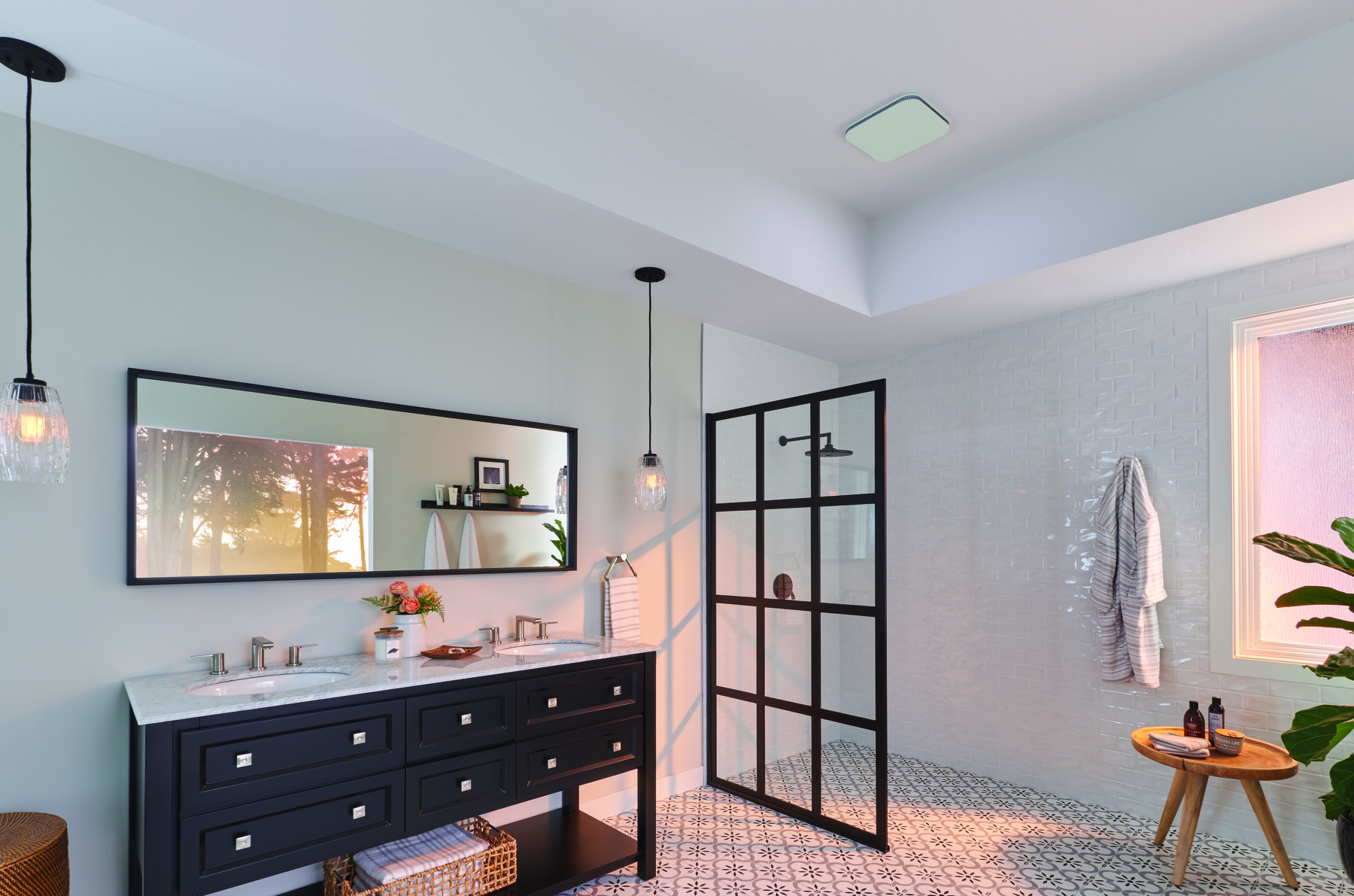
Standard ventilation-only models focus on reliable airflow without additional features.
If you're looking for dependable everyday ventilation without additional features, browse our selection of fan-only bathroom exhaust fans.
Fan and Light Combinations
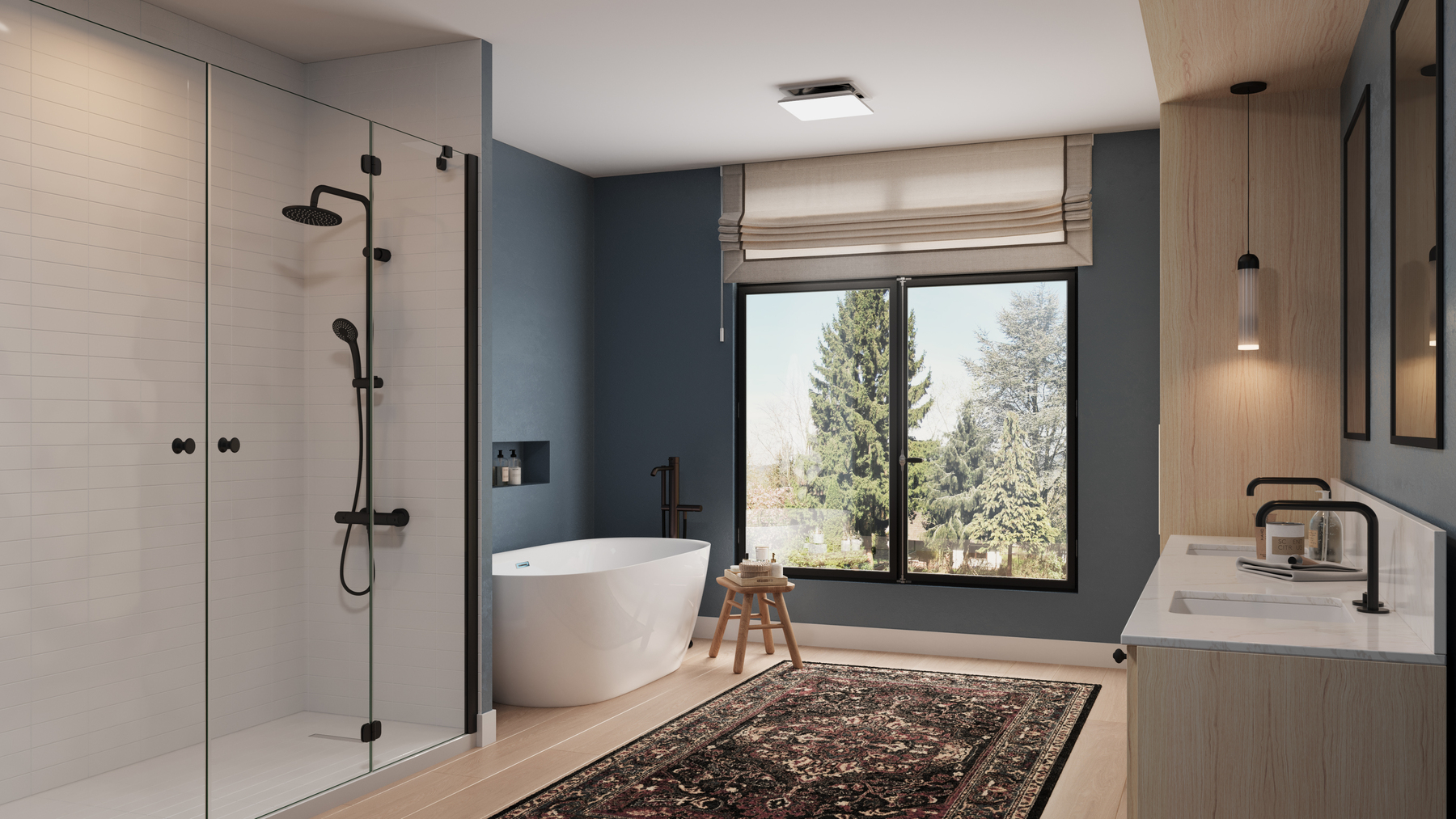
Fan/light units combine ventilation and illumination in a single fixture. Available options include traditional bulbs, integrated LED lighting, selectable color temperatures, and advanced lighting technologies.
Some bathroom exhaust fans also feature CCT (Correlated Color Temperature) lighting, which allows homeowners to select different light color temperatures ranging from warm white to cooler daylight tones. This flexibility can help create the desired atmosphere while improving visibility for daily tasks.
To learn more about adjustable lighting technology, read What Is CCT Lighting and How Does It Improve Kitchens and Bathrooms?. If you're comparing lighting options, read Choosing a Bathroom Fan with Lights: Features, Benefits and Design Options.
Shop bathroom exhaust fans with integrated lighting to combine ventilation and illumination in a single fixture.
Humidity and Motion Sensing Fans
Smart sensing technology automates bathroom ventilation.
- Humidity-sensing fans automatically activate when moisture levels rise and turn off once humidity decreases.
- Motion-sensing fans activate when someone enters the room, helping ensure ventilation is never forgotten.
To learn more about automated moisture control, read How to Reduce Bathroom Humidity Automatically: Fans, Sensors and Controls.
Browse humidity-sensing and motion-sensing bathroom fans for more automated moisture control.
Bluetooth-Enabled Fans
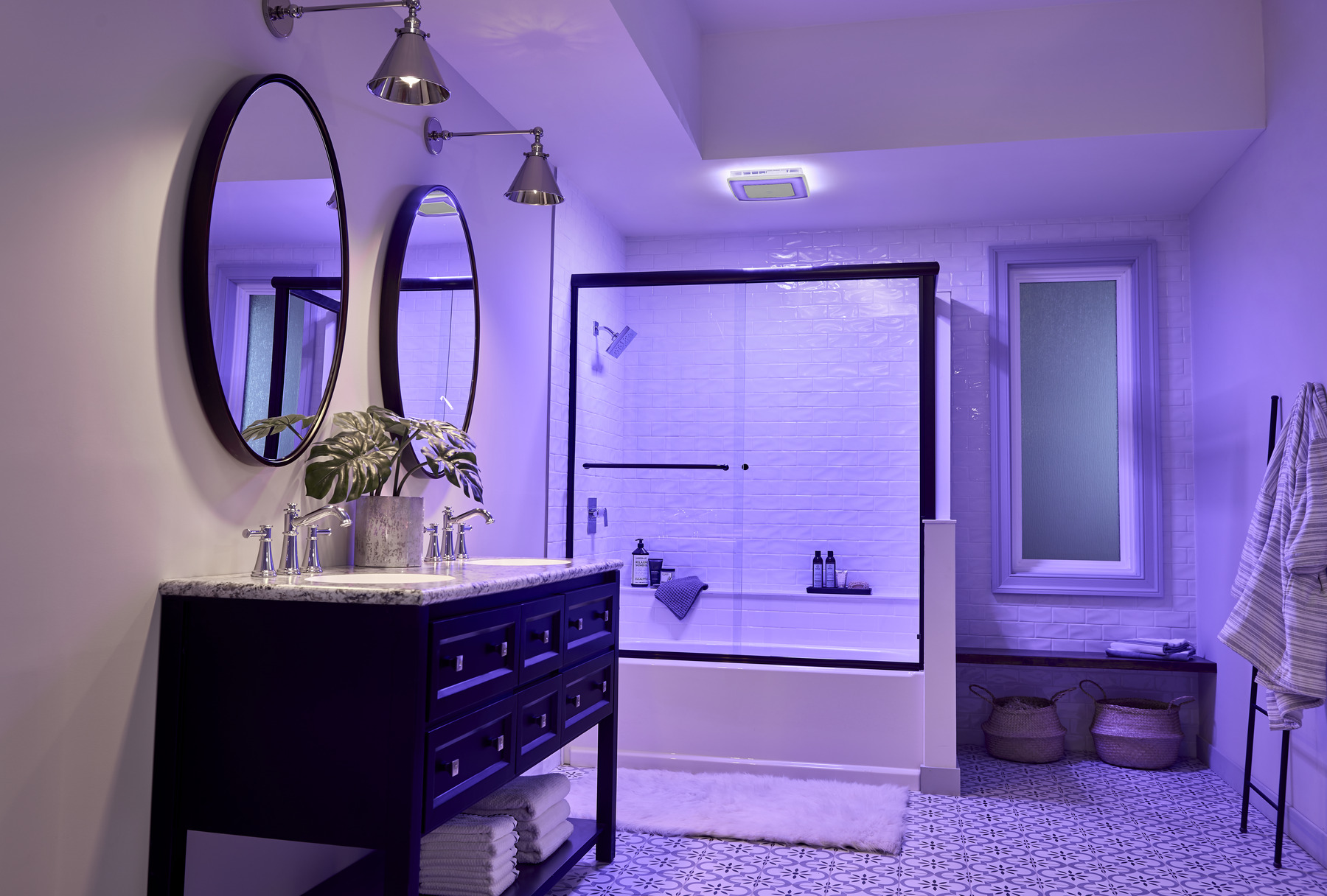
Some premium exhaust fans include integrated Bluetooth speakers that allow you to stream music, podcasts, or other audio directly from your mobile device.
Learn more in Bathroom Fan, Light and Bluetooth Speaker: Is a 3-in-1 Model Right for You?.
Discover bathroom exhaust fans with Bluetooth speakers that combine ventilation, lighting, and entertainment features.
Fans with Built-In Heaters
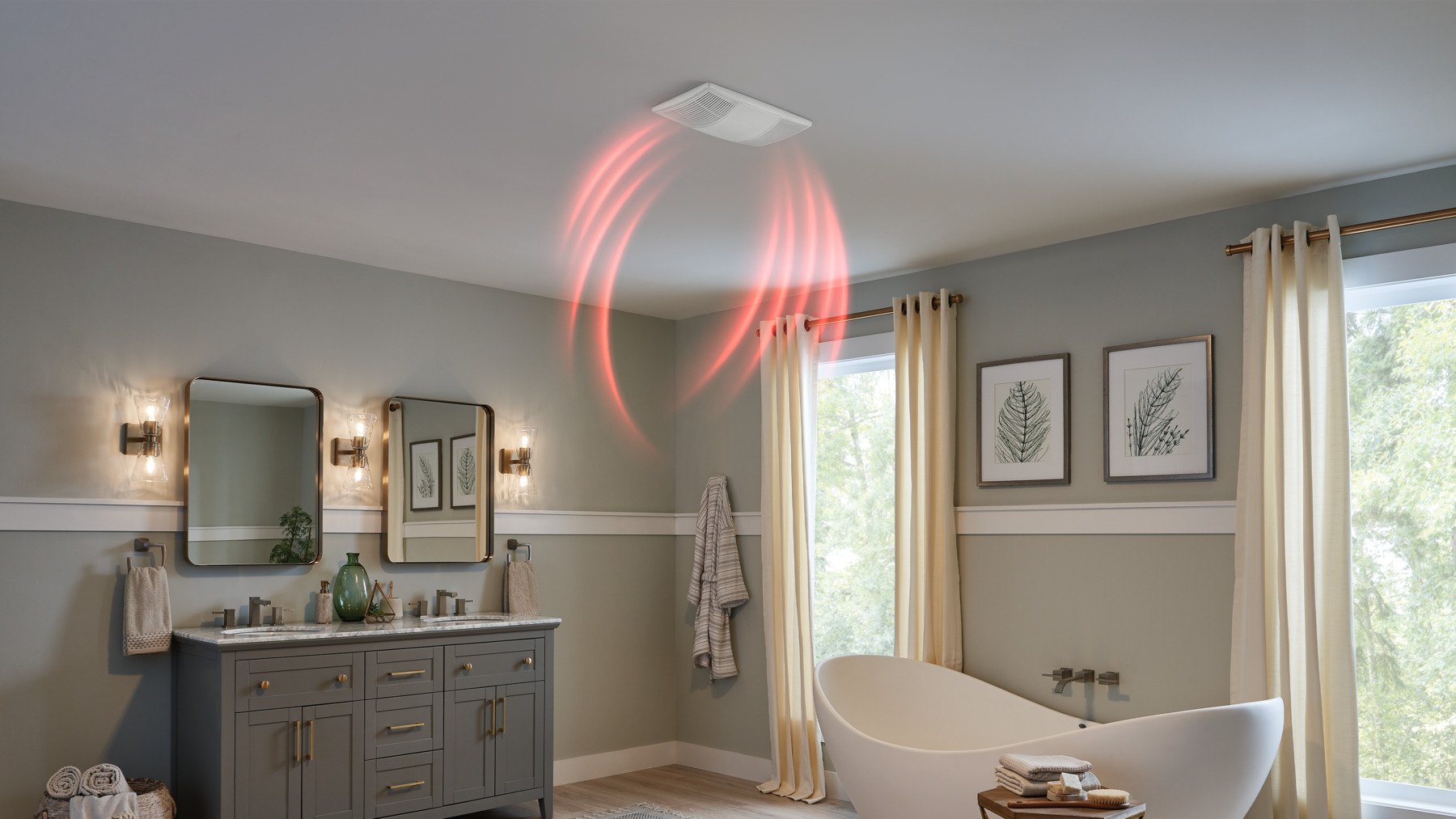
Fans with heaters provide supplemental warmth during colder months while continuing to ventilate the room. These models help improve comfort after bathing and can reduce mirror fogging.
For a deeper look at these products, read Bathroom Heater Fan Lights: Benefits, Features and Installation Considerations.
Browse bathroom exhaust fans with built-in heaters for added comfort during colder months.
Decorative Fan and Light Fixtures
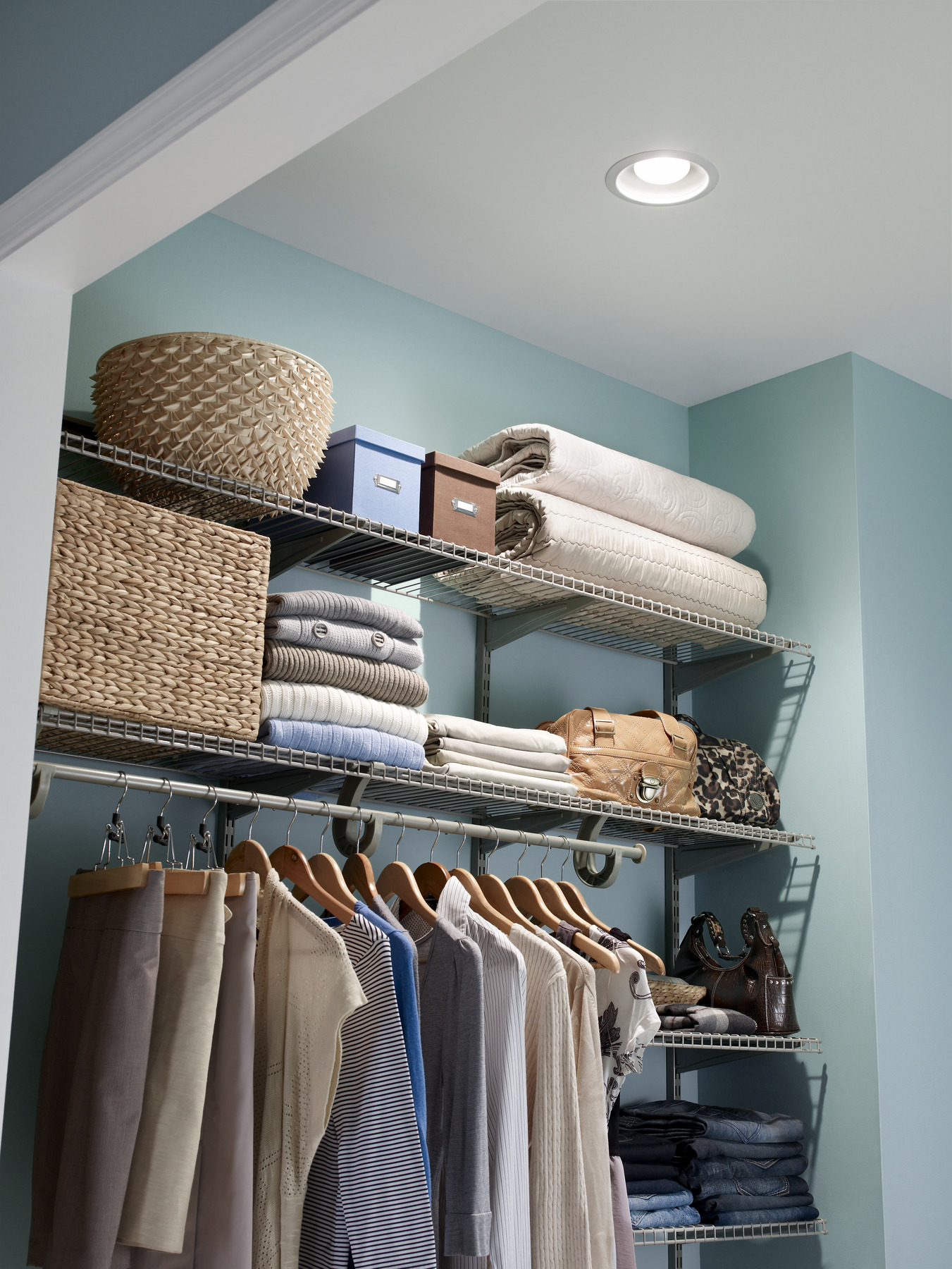
Decorative ventilation products are designed to blend into the room's overall aesthetic while still providing effective airflow. Many resemble standard ceiling light fixtures, making the ventilation system less noticeable.
Pairing decorative models with humidity or motion controls can provide automated operation without sacrificing appearance.
For bathrooms where style matters as much as performance, explore decorative bathroom exhaust fans that combine effective ventilation with fixture-inspired designs that complement a wide range of décor styles.
Fan Upgrade Kits
If your existing fan still functions adequately, an upgrade kit may be a cost-effective alternative to full replacement.
Available upgrades can include new grilles, integrated lighting, speakers, and motor replacements.
If your current fan housing is still in good condition, browse our selection of bathroom fan upgrade kits, replacement grilles, covers, and lighting upgrades. You can also upgrade performance with a replacement motor kit.
Can You Replace Just the Bathroom Fan Cover?
In many cases, yes. If the fan housing and motor are still functioning properly, replacing the grille or cover can refresh the appearance of the bathroom without replacing the entire exhaust fan.
Some upgrade kits can also add integrated LED lighting or other features while using the existing fan housing.
Learn more in Bathroom Fan Cover Replacement Guide: Easy Upgrades Without Renovations and Magnetic Bath Fan Covers: Benefits, Installation and Compatibility Guide.
For additional inspiration, see Easy DIY Bathroom Fan Upgrades Every Homeowner Can Do and Summer Home Improvement Projects to Refresh Your Bathroom.
Ready to Choose a Bathroom Exhaust Fan?
Before purchasing, confirm:
- Your bathroom size and required CFM rating
- Your preferred noise level or sone rating
- The dimensions of the existing ceiling opening
- Whether attic access is available
- The features you want, such as lighting, sensors, Bluetooth audio, heating, or decorative styling
- Whether an upgrade kit or cover replacement could meet your needs instead of a full fan replacement
Once you've answered these questions, you'll be prepared to select a bathroom exhaust fan that delivers effective ventilation and long-term performance.
Browse the full bathroom exhaust fan lineup to find the right solution for your home.
Frequently Asked Questions
What size bathroom exhaust fan do I need?
The required size depends on your bathroom's square footage. Most bathrooms need between 50 and 150 CFM based on room size. A common guideline is to choose at least 1 CFM per square foot of bathroom floor area.
What does CFM mean on a bathroom exhaust fan?
CFM stands for Cubic Feet per Minute and measures how much air the fan can move in one minute.
What is the best bathroom exhaust fan for a small bathroom?
Most small bathrooms can be effectively ventilated with a 50 CFM bathroom exhaust fan, though the ideal size depends on the room's square footage and moisture levels.
What CFM bathroom fan do I need for a 100 square foot bathroom?
A 100 square foot bathroom typically requires approximately 100 CFM of airflow. Bathrooms with steam showers or high moisture levels may benefit from additional capacity.
Can I replace a bathroom exhaust fan without attic access?
Yes. Roomside installation models are specifically designed to be installed from inside the bathroom without attic access.
Are humidity-sensing bathroom fans worth it?
Humidity-sensing fans automatically respond to moisture levels, helping reduce condensation, mold risk, and user error.
Do bathroom exhaust fans help prevent mold?
Yes. Proper ventilation removes excess moisture that can contribute to mold and mildew growth.
Should I choose a bathroom fan with a heater?
If bathroom comfort during colder weather is important, a fan with an integrated heater can provide targeted supplemental warmth.
Can I upgrade an existing bathroom fan instead of replacing it?
In many cases, yes. Upgrade kits can add features such as improved lighting, new grilles, or replacement motors.
Can I replace just the bathroom fan cover?
In many cases, yes. If the existing fan is still working properly, replacing the grille or cover can refresh the appearance of the bathroom without replacing the full fan.
Is a bathroom exhaust fan required by building code?
Building code requirements vary by location, but many jurisdictions require mechanical ventilation in bathrooms that do not have an operable window. Always check local building codes for specific requirements.
Should a bathroom exhaust fan vent outside?
Yes. Bathroom exhaust fans should typically vent outdoors to effectively remove moisture from the home. Venting into an attic or other enclosed space can contribute to moisture-related issues.
How long does a bathroom exhaust fan last?
Most bathroom exhaust fans last approximately 10 to 15 years, depending on usage, maintenance, and environmental conditions. Excessive noise, poor airflow, or recurring performance issues may indicate that replacement is needed.
How often should a bathroom exhaust fan be replaced?
Replacement timing varies, but excessively noisy, inefficient, or malfunctioning fans are often good candidates for replacement or upgrading.
Can a bathroom exhaust fan be too powerful?
Yes. An oversized fan may remove air faster than necessary, create excess noise, and increase energy usage. Choosing a fan with the appropriate CFM rating for the room size typically provides the best balance of performance and efficiency.