
Bathroom Exhaust Fan Making Noise? Here’s What May Be Causing It
A bathroom exhaust fan that suddenly sounds loud, rattles, hums, or makes lawnmower-like noises is usually caused by dust buildup, loose components, worn motor bearings, or an aging fan motor. In many cases, cleaning the fan or replacing the motor assembly can restore quieter operation without replacing the entire fan housing. Modern upgrade kits can also reduce noise while improving ventilation performance.
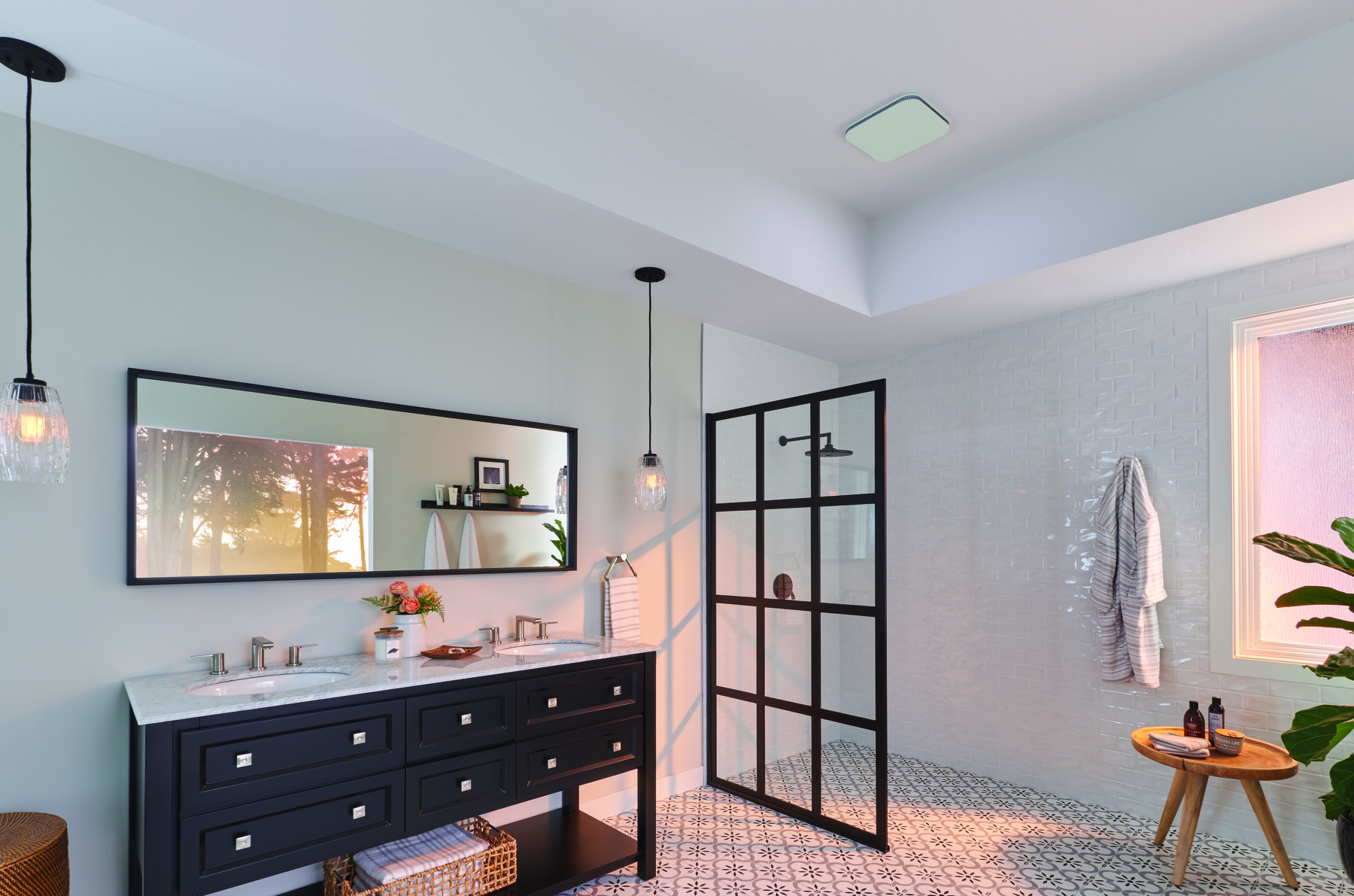
Your bathroom exhaust fan works hard every day to remove humidity, odors, and airborne pollutants. Most homeowners barely notice it, until it starts making excessive noise.
If your bathroom fan sounds like a lawnmower, rattles when running, or has become noticeably louder than it used to be, there is usually an identifiable cause. Fortunately, many noisy bathroom fan problems can be fixed through cleaning, maintenance, or a motor replacement.
This guide explains the most common reasons a bathroom exhaust fan becomes noisy and what you can do to restore quiet, efficient performance.
Why Is My Bathroom Exhaust Fan Making Noise?
A noisy bathroom fan typically indicates that one or more components are worn, dirty, loose, or nearing the end of their service life.
Dust and Debris Buildup
Over time, dust accumulates on the fan blades, motor housing, and grille. This buildup can create imbalance in the fan assembly, causing vibration and excess noise. Dust can also restrict airflow, forcing the motor to work harder.
Loose Parts or Mounting Hardware
Screws, brackets, grille clips, and mounting components can loosen over years of operation. Even minor movement can produce rattling, vibrating, or buzzing sounds.
Worn Motor Bearings
If your fan emits grinding, squealing, or lawnmower-like noises, worn motor bearings may be the culprit. Bearings naturally wear down with age and frequent use, especially in humid bathroom environments.
Aging Fan Motor
Many economy-grade bathroom exhaust fans operate reliably for years before the motor begins to deteriorate. As internal components wear, noise levels often increase significantly.
Damaged Fan Blade Assembly
A bent or damaged blower wheel can create imbalance and vibration. Even small imperfections can lead to noticeable increases in sound levels.
How to Fix a Noisy Bathroom Fan
Before replacing the fan, there are a few troubleshooting steps worth trying.
| Problem | Possible Solution |
|---|---|
| Dust buildup | Vacuum the grille, blower wheel, and motor housing |
| Loose grille or housing | Tighten screws and secure mounting clips |
| Vibration | Inspect blower wheel and mounting hardware |
| Grinding or squealing | Replace the motor assembly |
| Old, inefficient fan | Install an upgrade kit or replacement motor |
Many homeowners find that a thorough cleaning significantly reduces fan noise. A vacuum, screwdriver, and a few minutes of maintenance may be all that's needed.
When Should You Replace the Fan Motor?
If cleaning does not resolve the issue and the fan continues to produce excessive noise, the motor may need replacement.
Replacing only the motor assembly is often more affordable and less disruptive than replacing the entire exhaust fan. In many situations, the existing housing and ceiling opening can remain untouched.
Motor replacement is especially beneficial when:
- The fan has become significantly louder over time.
- You hear grinding, squealing, or rattling noises.
- The fan still functions but airflow has decreased.
- You want improved performance without ceiling modifications.
- The housing remains in good condition.
A Simple Upgrade Solution: Broan-NuTone QuickKit™
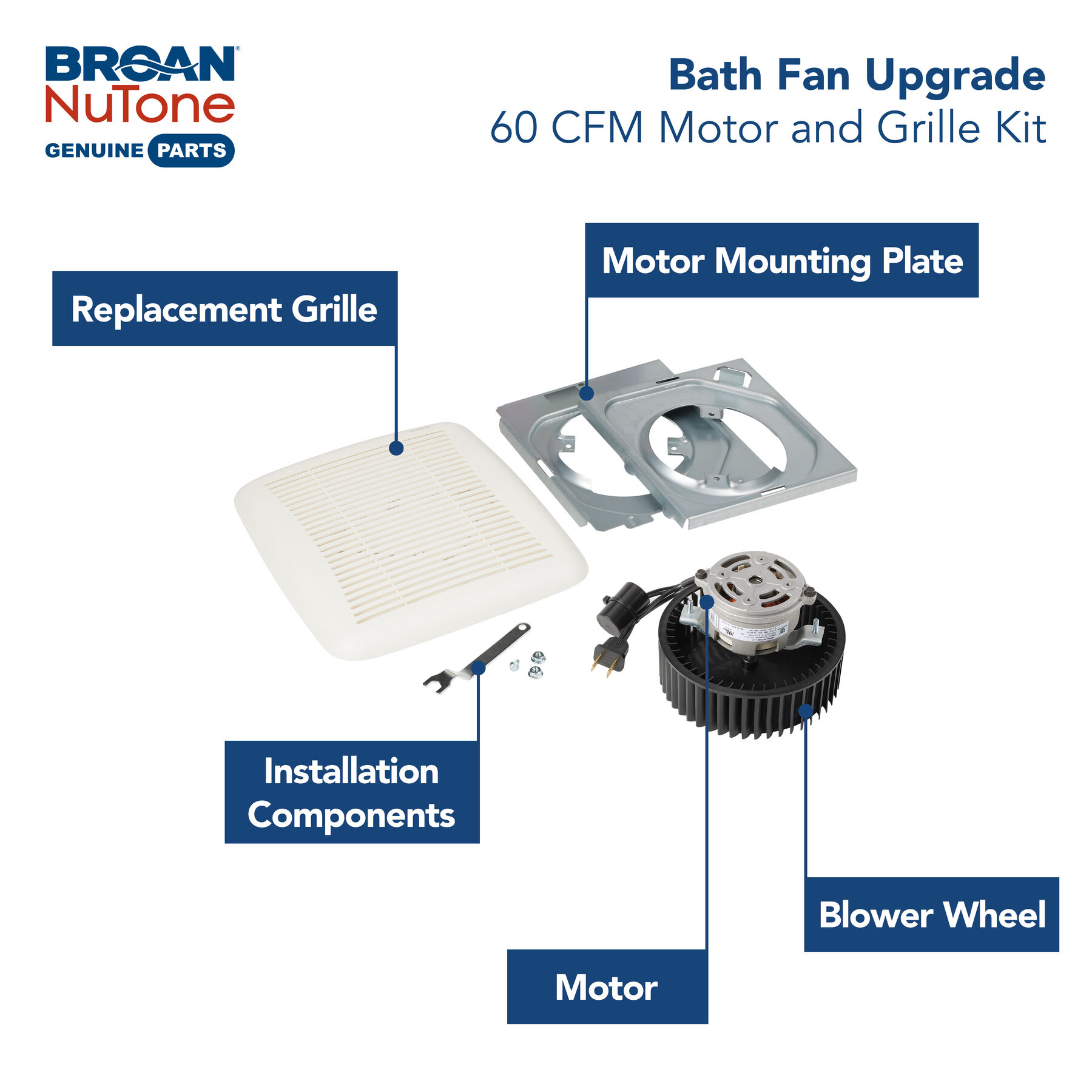
For many compatible Broan, NuTone, and select Nautilus bathroom fans, the Broan-NuTone BKR60 QuickKit™ provides a fast way to upgrade an older fan motor.
The kit is designed to replace the motor assembly while utilizing the existing fan housing, reducing installation complexity and minimizing disruption to the ceiling.
Key benefits include:
- Installation in approximately 10 minutes.
- No special tools required.
- Compatible with many existing fan housings.
- Up to 50% noise reduction.
- Up to 20% improvement in air circulation.
- Includes a clean, bright white replacement grille.
- Typically requires no additional wiring.
The replacement grille is designed to fit the existing ceiling opening, helping provide a refreshed appearance while maintaining easy installation.
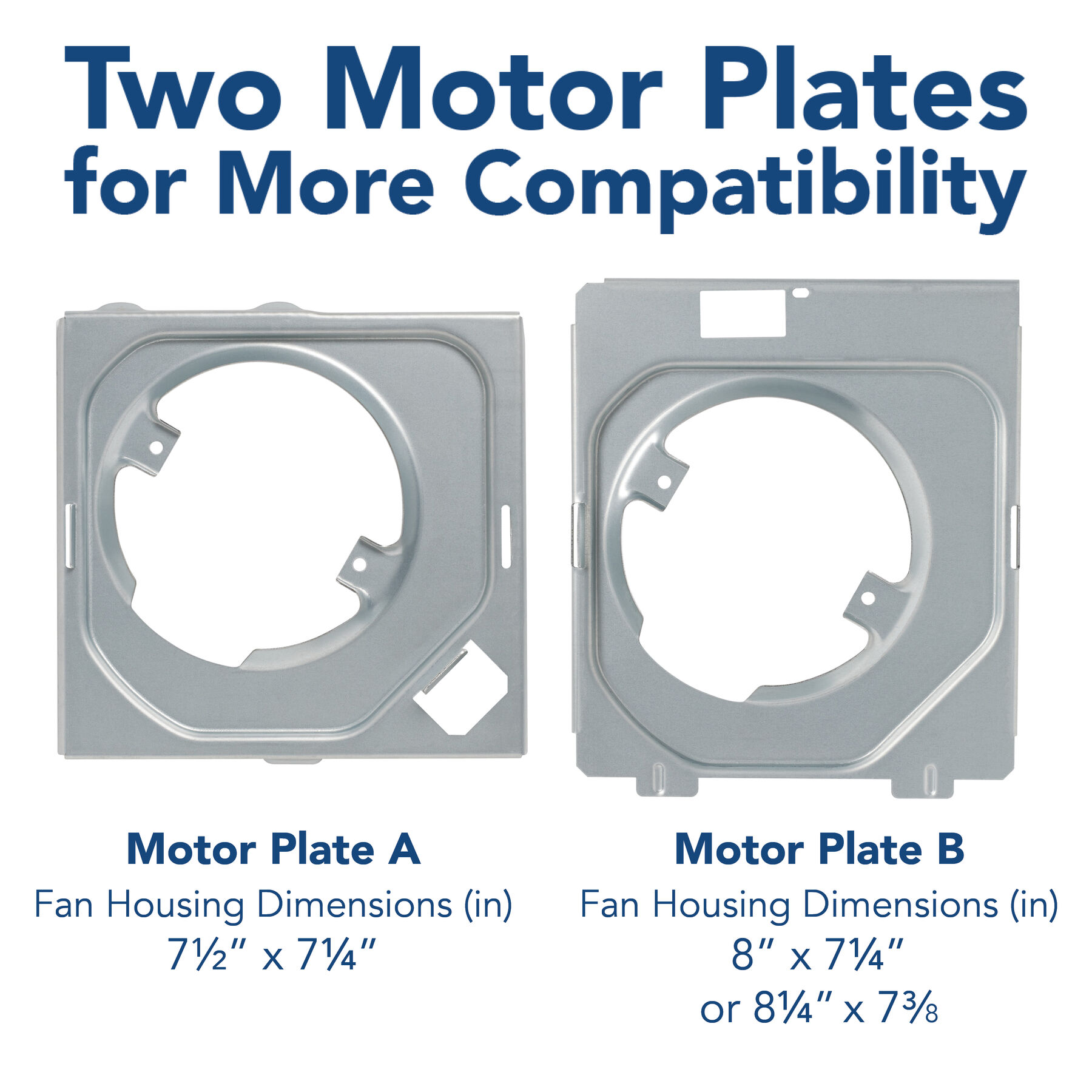
The QuickKit™ is designed to fit many compatible Broan-NuTone and NuTone bathroom exhaust fan housings without requiring ceiling modifications. It is compatible with fan housings measuring 7½" x 7¼" (Motor Plate A), 8" x 7¼", or 8¼" x 7⅜" (Motor Plate B).
To verify compatibility and locate your fan model number, review the product page.
How to Install a New Bathroom Fan Motor Unit
One of the advantages of a motor replacement kit is its straightforward installation process.
Tools You'll Need
- Flathead screwdriver
- Tape measure
- Vacuum cleaner
Basic Installation Steps
- Turn off power to the fan at the breaker.
- Remove the existing grille.
- Vacuum dust and debris from the housing.
- Disconnect the old motor assembly.
- Install the replacement motor unit.
- Attach the new grille.
- Restore power and test operation.
This is also an excellent opportunity to clean the fan housing and grille thoroughly before reassembly.
You can also explore additional upgrade grille options to refresh the appearance of your bathroom during the upgrade process.
Should You Repair or Replace a Noisy Bathroom Fan?
If your bathroom exhaust fan is only a few years old, cleaning and tightening loose components may solve the problem. However, if the fan motor is aging or producing persistent grinding noises, replacement is usually the most cost-effective long-term solution.
Upgrading the motor assembly allows homeowners to improve performance, reduce noise, and avoid the expense and labor associated with removing and replacing the entire fan housing.
To find products locally, visit the authorized dealer locator.
Frequently Asked Questions
Why does my bathroom exhaust fan sound like a lawnmower?
The most common causes are dust accumulation, loose parts, worn bearings, or a failing motor. Older fans often become significantly louder as components wear out.
Can a noisy bathroom fan be repaired?
Yes. Cleaning dust, tightening loose hardware, and replacing damaged components can often restore quieter operation. If the motor is worn out, replacement is usually recommended.
How long do bathroom exhaust fan motors last?
Most bathroom exhaust fan motors last many years under normal use, but lifespan varies based on usage frequency, humidity levels, and maintenance.
Should I replace the entire fan or just the motor?
If the housing and ductwork are in good condition, replacing only the motor assembly is often faster, less expensive, and less invasive.
Can dust make a bathroom fan louder?
Yes. Dust buildup can create imbalance in the blower wheel, restrict airflow, and force the motor to work harder, all of which increase noise.
What tools are needed to replace a bathroom fan motor?
Most replacement kits require only basic tools such as a screwdriver, tape measure, and vacuum cleaner.
How can I make my bathroom exhaust fan quieter?
Start by cleaning the fan and inspecting for loose components. If noise persists, replacing the motor assembly with a modern upgrade kit can significantly reduce sound levels.