
Halloween Indoor Air Quality Tips for a Healthier Home
Halloween can introduce indoor air quality concerns through new costumes, stored decorations, face paint, colored hairspray, candles, fog machines, dust, mold, and poor outdoor air. Families can reduce exposure by airing out new items, washing reusable costumes, applying sprays in well-ventilated areas, checking outdoor air quality before trick-or-treating, and improving fresh air ventilation at home.
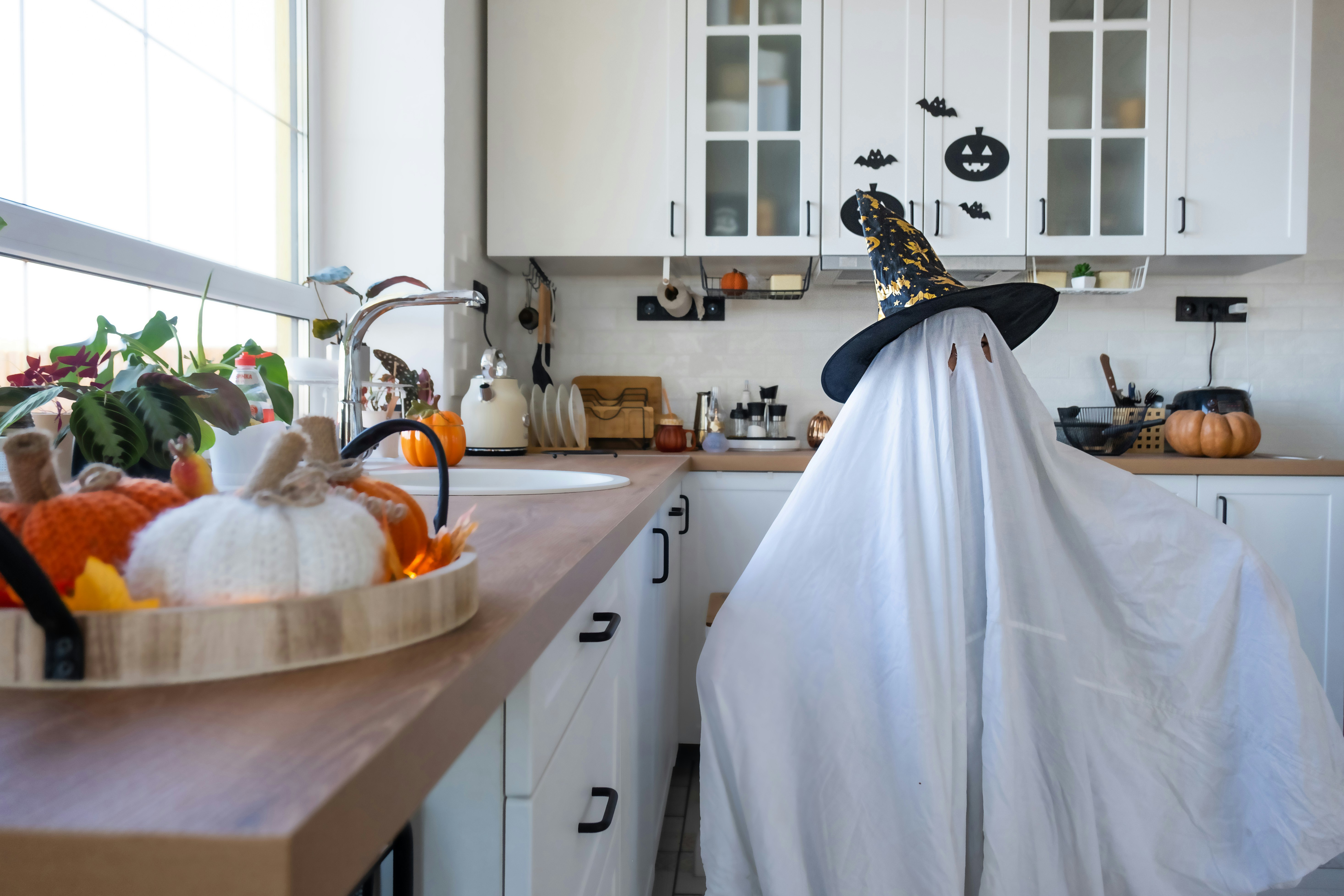
Why Halloween Can Affect Indoor Air Quality
Halloween should be fun, not frightening for your family’s air quality. But the season brings several common indoor air triggers into the home at once: plastic-wrapped costumes, stored decorations, scented products, aerosol sprays, candles, fog machines, dust, and outdoor pollutants that can follow families inside after trick-or-treating.
The good news is that a few simple steps can make a meaningful difference. Before the party starts or the kids head out for candy, focus on source control: what you bring into the home, what you spray or apply indoors, and what the outdoor air is doing that night.
The U.S. Environmental Protection Agency identifies source control as one of the most effective ways to improve indoor air quality. In practical terms, that means reducing pollution sources first, then using ventilation and filtration to help manage what remains.
For more everyday guidance, read 4 Ways to Improve Indoor Air Quality at Home.
Research Highlights
Seasonal activities can affect indoor and outdoor air quality in different ways. These research-backed findings can help families make safer, cleaner-air choices around Halloween.
- Indoor pollutant levels can be two to five times higher than outdoor levels. The EPA notes that Americans spend about 90% of their time indoors and that indoor concentrations of some pollutants are often two to five times higher than outdoor concentrations.
- Cosmetic color additives should be approved for their intended use. The U.S. Food & Drug Administration advises consumers to check labels and avoid using color additives around the eyes or on skin unless they are approved for that use.
- Candles, incense, and combustion sources can add particulate matter indoors. The EPA identifies candles, incense, fireplaces, and other combustion activities as indoor sources of particulate matter, including fine particles.
- The Air Quality Index can help families plan outdoor activities. AirNow explains that AQI levels are designed to communicate how clean or polluted outdoor air is and what related health concerns may apply.
Air Out and Wash Costumes Before Wearing Them
Many Halloween costumes are mass-produced, sealed in plastic packaging, and stored for months before they reach your home. When the package is opened, odors from dyes, plastics, adhesives, foam, synthetic fabrics, or finishes can be released into the air.
Independent product testing has identified chemicals such as flame retardants, phthalates, and heavy metals in some costume accessories and children’s products, highlighting the importance of buying from reputable manufacturers and following safety guidance.
To reduce what your family breathes indoors, unpack costumes early and let them air out in a garage, covered porch, or another well-ventilated area before Halloween night. If the costume is washable, wash it according to the care label before wearing.
Choose Lower-Odor Materials When Possible
When shopping, look for PVC-free costumes, fabric-based accessories, and natural materials when they are available. Vinyl, pressed foam, synthetic fabrics, and heavily plasticized items often have stronger odors and may release more chemical compounds indoors.
Clean Stored Costumes and Decorations
Costumes, masks, fabric decorations, and storage bins can collect dust, dust mites, and mold spores while stored. Shake items outdoors, wipe hard surfaces, and wash fabric items before bringing them into bedrooms, closets, or living spaces.
- Open costume packaging several days before Halloween when possible.
- Wash washable costumes before wearing.
- Air out masks, wigs, capes, foam accessories, and plastic items before use.
- Wipe hard decorations and shake dusty items outdoors.
- Avoid storing dusty decorations near sleeping areas.
Use Halloween Makeup and Hair Sprays Carefully
Face paint, glitter, temporary hair color, and spray-on products can complete a costume, but they can also add particles, fragrance, and volatile organic compounds to indoor air. The Campaign for Safe Cosmetics has reported trace heavy metals in some children’s face paints, which is another reason to be selective about products used directly on skin.
Choose makeup labeled for cosmetic use, follow the age guidance on the package, and avoid using craft paint or non-cosmetic glitter on skin. The U.S. Food & Drug Administration recommends checking product labels and avoiding color additives that are not intended for cosmetic use.
Apply Sprays in a Ventilated Area
Colored hairspray, glitter spray, and aerosol products should be applied outdoors or in a room with good ventilation. Aerosols can add fine particles, fragrance, and volatile organic compounds to the air. Avoid spraying near children with asthma, allergies, or respiratory sensitivities. Keep sprays away from the eyes, mouth, and open flames.
Remove Makeup Before Bed
Wash off face paint and cosmetics as soon as the event is over. This reduces skin irritation and helps keep makeup residue off pillows, bedding, and bedroom air.
- Use cosmetic-grade face paint rather than craft products.
- Do a small patch test before applying makeup widely.
- Apply hairspray, glitter spray, and fragrances outdoors when possible.
- Turn on ventilation during and after indoor application.
- Remove makeup and wash hands before bedtime.
Use Candles, Incense, and Fog Machines Sparingly
Candles, incense, and fog machines can create atmosphere, but they can also affect indoor air quality. Burning candles or incense can release soot, fragrance chemicals, combustion byproducts, and fine particulate matter, including PM2.5. The EPA identifies candles and incense as indoor sources of particulate matter. Learn more from the EPA’s guidance on sources of indoor particulate matter.
Fog machines can also introduce airborne droplets and chemical vapors depending on the fluid used. Many theatrical fog fluids are glycol- or glycerin-based, and some people may find them irritating, especially children, people with asthma, or people with respiratory sensitivity.
Use candles, incense, and fog machines sparingly indoors. Follow manufacturer directions, avoid using them in small closed rooms, keep them away from children and pets, and ventilate the space during and after use. Battery-powered candles and non-combustion decorations can help create the same Halloween look with less indoor air impact.
Check Outdoor Air Quality Before Trick-or-Treating
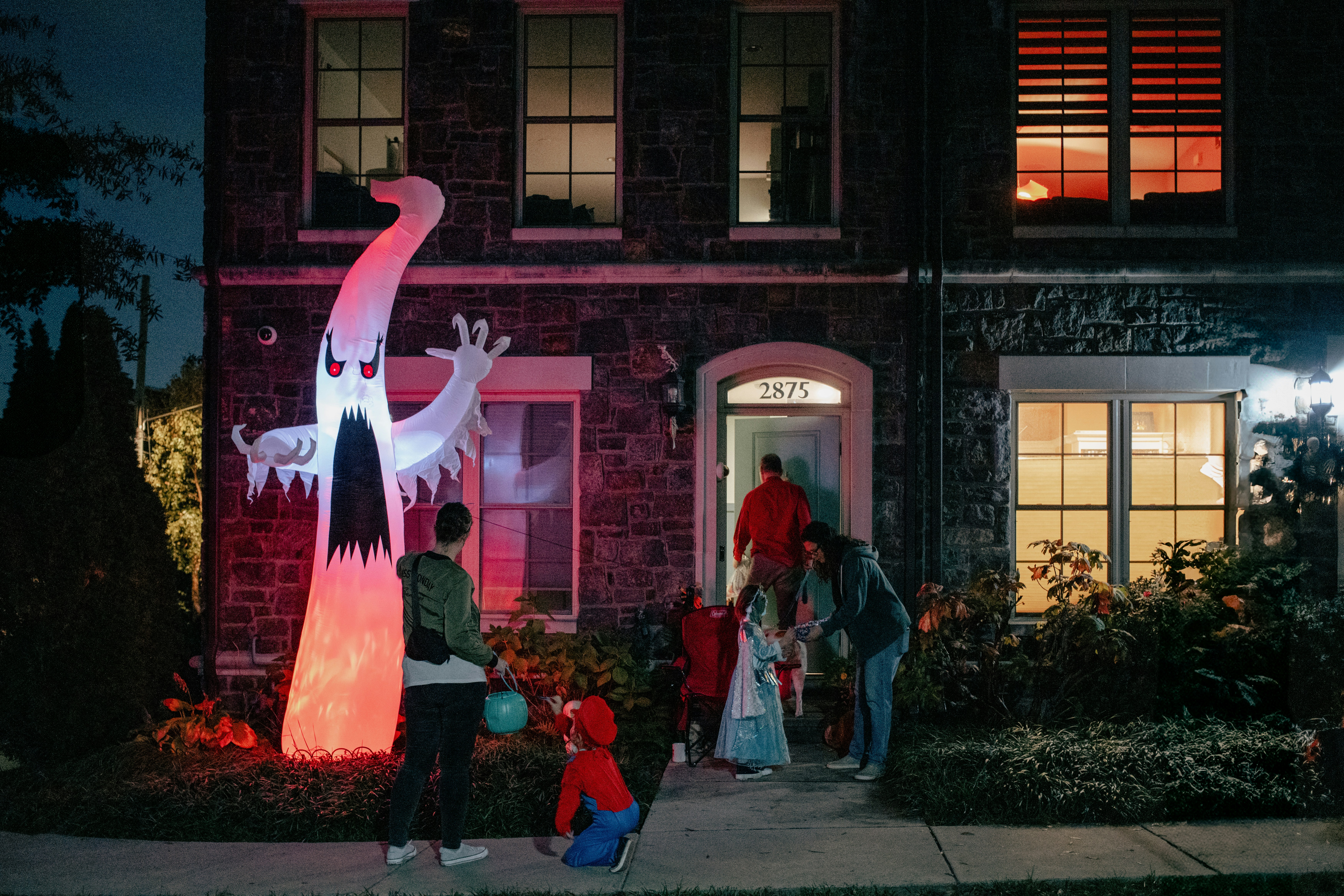
Before heading into the neighborhood, check local outdoor air quality at AirNow.gov. The Air Quality Index, or AQI, helps families understand whether outdoor air pollution may affect children, older adults, or people with asthma and other respiratory conditions.
Outdoor concerns can include wildfire smoke, traffic pollution, ozone, and fine particulate matter (PM2.5). If the AQI is poor, consider shortening the route, choosing an indoor community event, using a well-ventilated indoor gathering space, or moving activities earlier in the day if conditions are expected to worsen later.
Outdoor air can also affect the air inside your home. If outdoor conditions are poor, keep windows closed, limit door-open time, and use ventilation and filtration strategies appropriate for your home. For more detail, read How Outdoor Air Quality Affects Indoor Air Quality.
Ventilation Tips for Halloween Activities
Ventilation helps remove stale indoor air and dilute airborne contaminants from costumes, sprays, candles, fog machines, and cleaning products. The right ventilation strategy depends on the activity and the outdoor air conditions.
- Use kitchen exhaust when appropriate. A range hood that vents outdoors can help remove smoke, odors, and particles from candles or cooking during gatherings.
- Use bathroom exhaust fans for sprays or strong odors. If makeup remover, hair products, or cleaning products are used in a bathroom, run the exhaust fan during and after use.
- Use whole-home fresh air when outdoor air is good. Fresh air systems, including HRVs and ERVs, can help exchange stale indoor air with filtered outdoor air in a more controlled way than open windows alone.
- Limit ventilation with outdoor air when AQI is poor. During wildfire smoke, high ozone, or high PM2.5 events, keep windows closed and prioritize filtration.
Halloween Indoor Air Quality Checklist
| Halloween Item or Activity | Indoor Air Quality Concern | What Families Can Do |
|---|---|---|
| New costumes | Odors, chemical residues, plastic packaging smells | Open early, air out, and wash if the care label allows. |
| Stored costumes and decorations | Dust, dust mites, mold spores | Clean outdoors, wipe hard surfaces, and wash fabrics before use. |
| Face paint and makeup | Skin irritants, fragrance, possible contaminants | Use cosmetic-grade products, patch test, and wash off after the event. |
| Colored hairspray and aerosols | Particles, VOCs, fragrance, respiratory irritation | Apply outdoors or with ventilation running. |
| Candles, incense, and fog machines | Smoke, fragrance, PM2.5, soot, moisture, and airborne droplets | Use sparingly, follow directions, ventilate, and avoid use around sensitive family members. |
| Trick-or-treating | Outdoor smoke, ozone, traffic pollution, fine particles | Check AirNow.gov and adjust plans when air quality is poor. |
Halloween does not have to be less fun because you are thinking about air quality. A little planning helps keep the spooky parts outside the home and the air inside cleaner for everyone.
Frequently Asked Questions
Can Halloween costumes affect indoor air quality?
Yes. New costumes may release odors from plastic packaging, dyes, adhesives, foam, finishes, synthetic fabrics, or plastic materials. Stored costumes can also collect dust or mold. Airing out and washing costumes before use can help reduce indoor air concerns.
Should I wash a Halloween costume before my child wears it?
If the care label allows it, washing is a good idea. For costumes that cannot be washed, unpack them early and let them air out in a well-ventilated area before bringing them into bedrooms or main living spaces.
Is Halloween face paint safe to use indoors?
Use only cosmetic-grade face paint and follow the label directions. Apply makeup in a ventilated area, avoid products with strong odors, and wash it off after the event to reduce skin and indoor residue.
Are fog machines bad for indoor air quality?
Fog machines can add airborne droplets and chemical vapors to indoor air. Some people may find fog irritating, especially children, people with asthma, or people with respiratory sensitivity. Use fog machines sparingly, follow the manufacturer’s directions, and ventilate the space well.
Should I use scented candles on Halloween?
Scented candles can add fragrance chemicals, soot, combustion byproducts, and fine particles to indoor air. If you use them, burn them sparingly, keep wicks trimmed, avoid using many candles in a small room, and ventilate afterward. Battery-powered candles are a lower-emission alternative.
How can I check air quality before trick-or-treating?
Check your local Air Quality Index at AirNow.gov. If air quality is poor, shorten outdoor activities, choose an indoor event, or adjust plans for children and family members with respiratory concerns.
What is the easiest Halloween air quality tip for families?
Open costumes and decorations early. Air them out, clean dusty items, and apply sprays or makeup with ventilation before the Halloween rush begins.