
Indoor Air Quality FAQ: Ventilation, Healthy Homes and Airborne Contaminants
Indoor air quality is affected by everyday sources such as cooking, cleaning products, humidity, pets, dust, smoke, carbon dioxide, and outdoor pollutants that enter the home. The most effective healthy-home strategy is to reduce pollutants at the source, remove stale or contaminated air with proper ventilation, use filtration where appropriate, and bring in fresh outdoor air when conditions allow.
.jpg "nathan-dumlao-_QjlOY3JBqI-unsplash-(002).jpg")
What Is Indoor Air Quality?
Indoor air quality, often shortened to IAQ, describes the condition of the air inside your home. It includes the amount of fresh air entering the house, the level of airborne pollutants, humidity levels, odors, carbon dioxide, fine particles, and how effectively stale air is removed.
According to the U.S. Environmental Protection Agency, source control, ventilation, and filtration are the primary ways to reduce exposure to indoor pollutants. That means a healthier home is not just about cleaning more often. It is also about removing pollutants, controlling moisture, filtering particles, and removing stale indoor air while introducing fresh outdoor air in a controlled manner.
Modern homes are also built tighter than older homes to improve comfort and energy efficiency. While that can reduce uncontrolled air leakage, it also makes planned ventilation more important because pollutants and stale air may remain trapped indoors longer.
For a broader step-by-step overview, read 4 Ways to Improve Indoor Air Quality at Home.
What Airborne Contaminants Are Common Indoors?
Many indoor air contaminants are invisible, odorless, or easy to overlook. They often come from normal household activities rather than one obvious problem.
Fine particulate matter, often called PM2.5, can come from cooking, smoke, candles, fireplaces, outdoor pollution, and wildfire smoke. These small particles can remain suspended in indoor air and are one reason ventilation and filtration are both important parts of a healthy-home strategy.
Carbon dioxide, or CO2, also builds up when people spend time indoors without enough fresh air. High CO2 levels are usually a sign that a room or home may need better air exchange.
| Source | Common Airborne Contaminants | Helpful IAQ Strategy |
|---|---|---|
| Cooking | Smoke, grease particles, moisture, odors, fine particles, combustion byproducts | Use a range hood that exhausts to the outside whenever possible |
| Bathrooms | Humidity, odors, cleaning fumes, mold-supporting moisture | Use a properly sized bathroom exhaust fan during and after showers |
| Cleaning products | VOCs, chemical fumes, fragrances, aerosolized particles | Ventilate during and after cleaning, and choose lower-emission products when possible |
| Pets | Dander, hair, dust, odors | Use source control, cleaning, filtration, and whole-home ventilation |
| Occupants | Carbon dioxide, humidity, odors, bioeffluents | Use fresh-air ventilation to reduce stale-air buildup |
| Outdoor air | Pollen, wildfire smoke, vehicle exhaust, outdoor particles, PM2.5 | Use filtered fresh-air strategies and adjust ventilation during poor outdoor air events |
To learn more about specific pollutants, read Common Indoor Air Contaminants and How to Reduce Them.
Why Is Ventilation Important for a Healthy Home?
Ventilation helps dilute and remove airborne pollutants that build up indoors. Without enough ventilation, contaminants from cooking, cleaning, bathing, pets, hobbies, building materials, occupancy, and daily living can remain trapped inside.
Ventilation is not the same as air purification. Air purification filters or treats air that is already inside the home. Ventilation removes stale indoor air and replaces it with outdoor air. Both can be useful, but they solve different problems. For a deeper explanation, read Air Purification vs Ventilation: What’s the Difference?.
How Does Air Filtration Improve Indoor Air Quality?
Air filtration helps capture particles that are already in the air. This can include dust, pollen, pet dander, fine particles from cooking or smoke, and some airborne allergens. Filtration is especially useful when outdoor air quality is poor or when particles are a major concern indoors.
HVAC filters help protect heating and cooling equipment and can also reduce airborne particles when air circulates through the system. The filter’s effectiveness depends on the filter type, system compatibility, airflow, and how often the system runs. Higher-efficiency filters may capture smaller particles, but homeowners should always use a filter that is compatible with their HVAC system.
Portable air purifiers can also help improve indoor air quality in specific rooms. A properly sized air purifier with a high-quality filter can be especially useful in bedrooms, nurseries, home offices, and living areas where people spend the most time.
| IAQ Problem | Best First Step | Helpful Products or Strategies |
|---|---|---|
| Cooking smoke and odors | Capture pollutants at the source | Range hood vented outdoors |
| Excess bathroom humidity | Remove moisture quickly | Bathroom exhaust fan |
| Dust, pollen, and pet dander | Improve filtration and cleaning | HVAC filter, portable air purifier, regular cleaning |
| VOCs and chemical fumes | Reduce the source and ventilate | Low-VOC products, proper storage, fresh-air ventilation |
| Stale air or high CO2 | Increase controlled fresh-air exchange | Whole-home ventilation or fresh air system |
| Wildfire smoke or outdoor PM2.5 | Reduce outdoor air entry and filter indoor air | HEPA filtration, compatible HVAC filtration, recirculation when needed |
| Persistent humidity | Control moisture sources and exhaust humid air | Bath fan, range hood, dehumidification, whole-home ventilation |
How Can Homeowners Improve Indoor Air Quality?
Control pollutants at the source
The first step is to reduce what enters the air in the first place. Use lids while cooking, avoid unnecessary fragrances, store chemicals properly, choose low-VOC products where possible, and keep dust, pet dander, and moisture under control.
Use spot ventilation where pollutants are created
Kitchens and bathrooms need targeted ventilation because they create moisture, odors, particles, and fumes quickly. A range hood helps capture cooking pollutants at the source, while a bath fan removes humid air before it can support mold and mildew growth.
Control indoor humidity
Humidity affects comfort, mold risk, dust mites, odors, and how healthy the home feels. Indoor humidity is often most comfortable and manageable when kept around 30% to 50%, though the ideal range can vary by season, climate, and home design.
Bathroom fans, range hoods, dehumidification, air conditioning, and whole-home ventilation can all help manage moisture. If condensation appears on windows or surfaces, or if rooms feel damp or musty, the home may need better moisture control.
Improve filtration
Replace HVAC filters as recommended, choose filters that are compatible with the system, and consider portable air purification in rooms where people spend the most time. Filtration works best when combined with source control and ventilation.
Bring in fresh air for the whole home
Modern homes are often built tighter for energy efficiency, which can reduce uncontrolled air leakage. That can be good for comfort and energy use, but it also makes planned ventilation more important. Fresh air systems help remove stale air and supply outdoor air in a more controlled way.
For more on this concept, read Why Airtight Homes Need Proper Ventilation.
Which Rooms Affect Indoor Air Quality the Most?
Kitchens
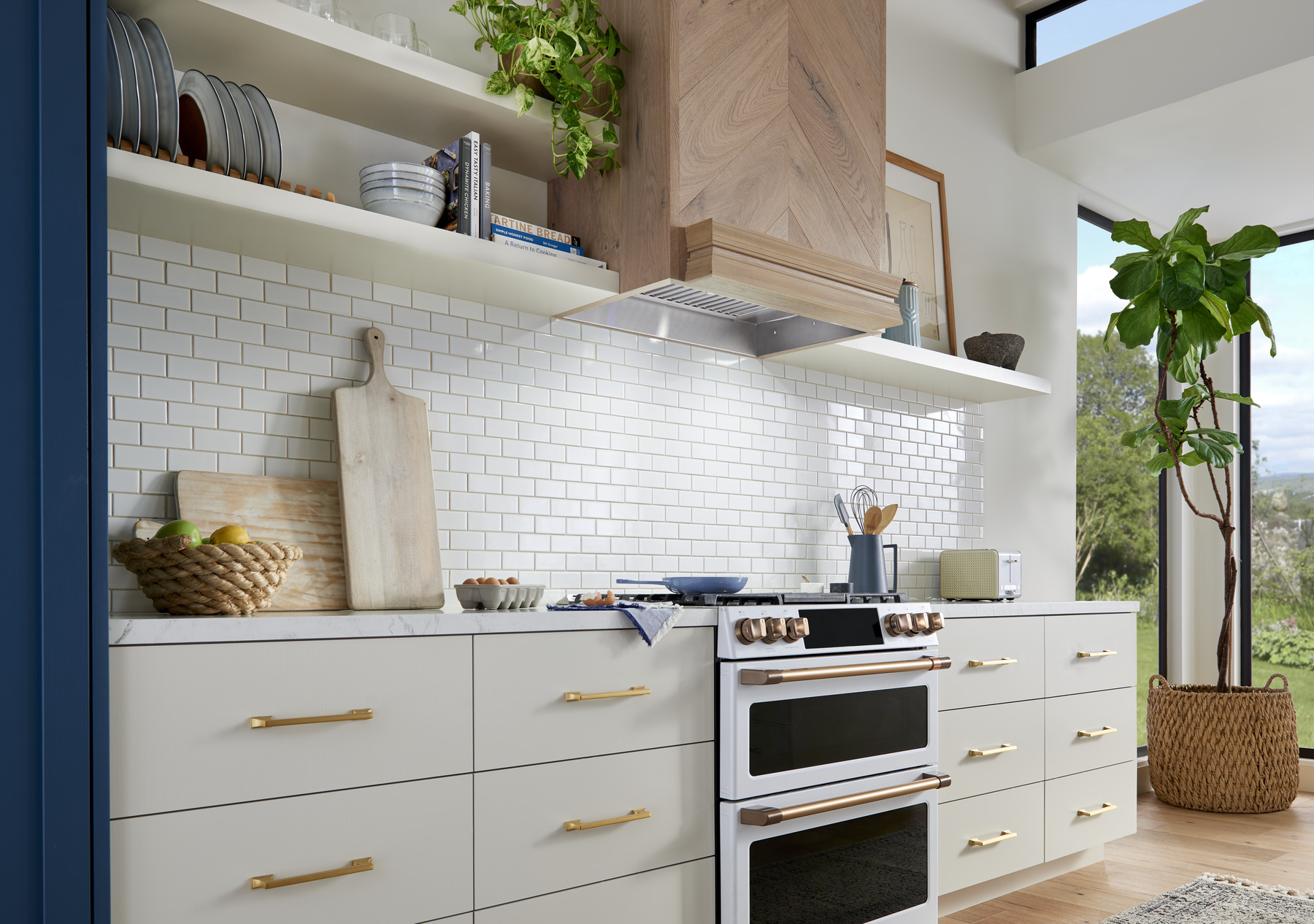
The kitchen is one of the largest sources of indoor air pollution in many homes. Cooking can release moisture, grease, smoke, odors, fine particles, and combustion byproducts. A properly installed range hood helps remove these pollutants before they spread into nearby rooms.
For more detail, read Kitchen Air Quality Guide: Pollutants, Health Risks, and How Ventilation Protects You.
Bathrooms
Bathrooms create high humidity in a short period of time. Without exhaust ventilation, that moisture can linger on mirrors, walls, ceilings, cabinetry, and hidden building materials. A bathroom exhaust fan helps remove humid air, odors, and airborne contaminants from the room.
Bedrooms and nurseries
Bedrooms and nurseries can collect dust, allergens, pet dander, carbon dioxide, and stale air because people spend long stretches of time there. Fresh air, regular cleaning, humidity control, filtration, and proper ventilation all support a healthier sleeping environment.
Learn more in Creating Healthier Nurseries and Bedrooms with Fresh Air and Ventilation.
Whole-home living spaces
Open living areas can collect pollutants from the kitchen, cleaning, pets, attached garages, fireplaces, and outdoor air that enters the home. Whole-home ventilation can help keep air moving and reduce stale-air buildup throughout the house.
Explore system types in Whole-Home Ventilation Systems: Exhaust, Supply and Balanced Ventilation Explained.
Maintaining Healthy Indoor Air
Healthy indoor air depends on daily habits and ongoing maintenance. Ventilation and filtration systems work best when they are clean, properly installed, and used consistently.
- Replace HVAC filters according to the manufacturer’s recommendation.
- Clean range hood filters regularly so they can continue capturing grease and particles.
- Clean bathroom fan grilles and make sure fans are exhausting properly.
- Check exterior vent hoods for lint, debris, snow, nests, or blockages.
- Keep indoor humidity in a healthy range and address water leaks quickly.
- Use exhaust fans during cooking, bathing, and other high-pollution activities.
- Schedule HVAC or ventilation system maintenance when needed.
Frequently Asked Questions
What causes poor indoor air quality?
Poor indoor air quality is usually caused by a combination of indoor pollution sources and inadequate ventilation. Common sources include cooking, cleaning products, moisture, smoke, pets, dust, building materials, high carbon dioxide, and outdoor pollutants that enter the home.
What are signs of poor indoor air quality?
Common signs include lingering odors, stuffy air, condensation on windows, visible mold, frequent allergy-like symptoms, excessive dust, headaches, drowsiness, rooms that feel humid or stale, and cooking smells that linger long after meals.
Does ventilation improve indoor air quality?
Yes. Ventilation improves indoor air quality by removing stale or polluted indoor air and replacing it with outdoor air. It is most effective when combined with source control and filtration.
Is an air purifier the same as ventilation?
No. An air purifier filters air inside the home, while ventilation removes indoor air and brings in outdoor air. Air purification can help reduce certain particles, but it does not replace the need for fresh air.
What is PM2.5?
PM2.5 refers to fine particulate matter that is 2.5 microns or smaller. It can come from cooking, smoke, fireplaces, candles, outdoor pollution, and wildfire smoke. Because these particles are very small, they can remain suspended in air and affect indoor air quality.
What does CO2 say about indoor air quality?
Carbon dioxide, or CO2, naturally increases when people spend time indoors. High indoor CO2 can indicate that a space needs more fresh-air ventilation, especially in bedrooms, home offices, classrooms, and other occupied rooms.
What humidity level is best for indoor air quality?
Indoor humidity is often best kept around 30% to 50% for comfort and moisture control, though the ideal range can vary by season and climate. High humidity can support mold and dust mites, while very low humidity can feel dry and uncomfortable.
Which rooms need ventilation the most?
Kitchens, bathrooms, laundry rooms, home gyms, bedrooms, nurseries, and tightly sealed living areas often benefit most from ventilation because they can produce or collect moisture, odors, particles, carbon dioxide, and stale air.
How does cooking affect indoor air quality?
Cooking can release smoke, grease particles, moisture, odors, fine particulate matter, and combustion byproducts. Using a range hood that vents outdoors helps capture and remove these pollutants near the source.
How can I improve indoor air quality at home?
Start by reducing pollutant sources, using kitchen and bathroom exhaust fans, controlling humidity, cleaning regularly, replacing filters as recommended, and considering whole-home fresh air ventilation for more consistent air exchange.